What Is CA in Crypto?
CA in crypto means Contract Address, a unique identifier for a token or smart contract on a blockchain.
Yet, we have identified a few more options to define what CA in crypto stands for.
These can either be:
Contract Address (Most Common)
A contract address typically relates to a CA tied to something specific, such as a wallet or a token.
It also differs depending on the blockchain protocol.
Let's say you have a contract address (CA) and want to see what chain it relates to. Then give our contract address checker a try. It'll let you know which protocol it belongs to.
Coin Allocation
Coin allocation basically refers to the amount of tokens you have in contrast to the total supply.
Let's take airdrops for top users of a platform. The latter is typically calculated based on activity and volume, normal for a token generation event (TGE).
A scoring system of sorts that differs per protocol or dApp, really.
Take the Hyperliquid airdrop, for instance. The 1% had airdrops worth beyond $10M.
If you are shocked at the size of these airdrops, it's totally okay. I was too! It's one of the coolest things about being part of the Web3 ecosystem, where the best products succeed by merit, and users are rewarded.
If you are curious to understand more about the role of these airdrops, read up our post about how to scale exchange business models. There's a section that mentions airdrops as a growth strategy for these companies.
On the other hand, you have ICOs or investor private rounds that are given coin allocations. Basically like private equity deals, but on blockchain, leveraging Web3 tech.
Crypto Asset
Crypto assets can be tied to a variety of things.
Digital currency, like memecoins, for example, can be tied to absolutely anything, or sorta nothing.
Just because the memecoin has a cool picture, a “dank meme” of sorts, does not mean that it's actually tied to something tangible beyond speculation.
Crypto protocol tokens are totally different, because these entities generate revenue and attract investors to grow their tokens. These include things like Ethereum (ETH), Solana (SOL), and Ripple (XRP), etc. I'm pretty sure you are somewhat familiar with these or at least have seen them around.
On the other hand, we have real-world assets (RWA). These are closely tied to assets such as real estate, commodities, and stocks. This is probably the easiest one to comprehend since you can narrow some through physical assets for the most part, like real estate. A tokenized family home, for instance.
That's without saying that assets like tokenized bonds, stocks, debt, and others exist. These are also RWAs.
What Is a Contract Address in Crypto?
By now, you are aware that a contract address can also be abbreviated as CA in crypto.
How a Contract Address Is Created
When a contract address is minted.
How to find a contract address really depends on whether you are looking for a token or a wallet.
For tokens or digital currencies, it's when they are created and launched on any blockchain mainnet. It's really simple to create a token nowadays. If you are in the mood to learn how to launch a meme coin, you can do it at no cost with our guide.
For crypto wallets, it depends on the protocol we are referring to. Take Phantom wallet, for instance. It hosts Solana, Ethereum, and others. This gives you a unique address for each.
You can't have the same CA across different blockchains. However, Ethereum Layer 2s like Base do share the same address since they are Ethereum Virtual Machine (EVM) compatible.
What a Contract Address Looks Like (Format + Example)
How to find a contract address varies per blockchain.
We drew up some of the best protocols today and how their contract addresses differ.
Here you will notice how many start with '0x', which are the first two characters of any Ethereum Virtual Machine (EVM) address.
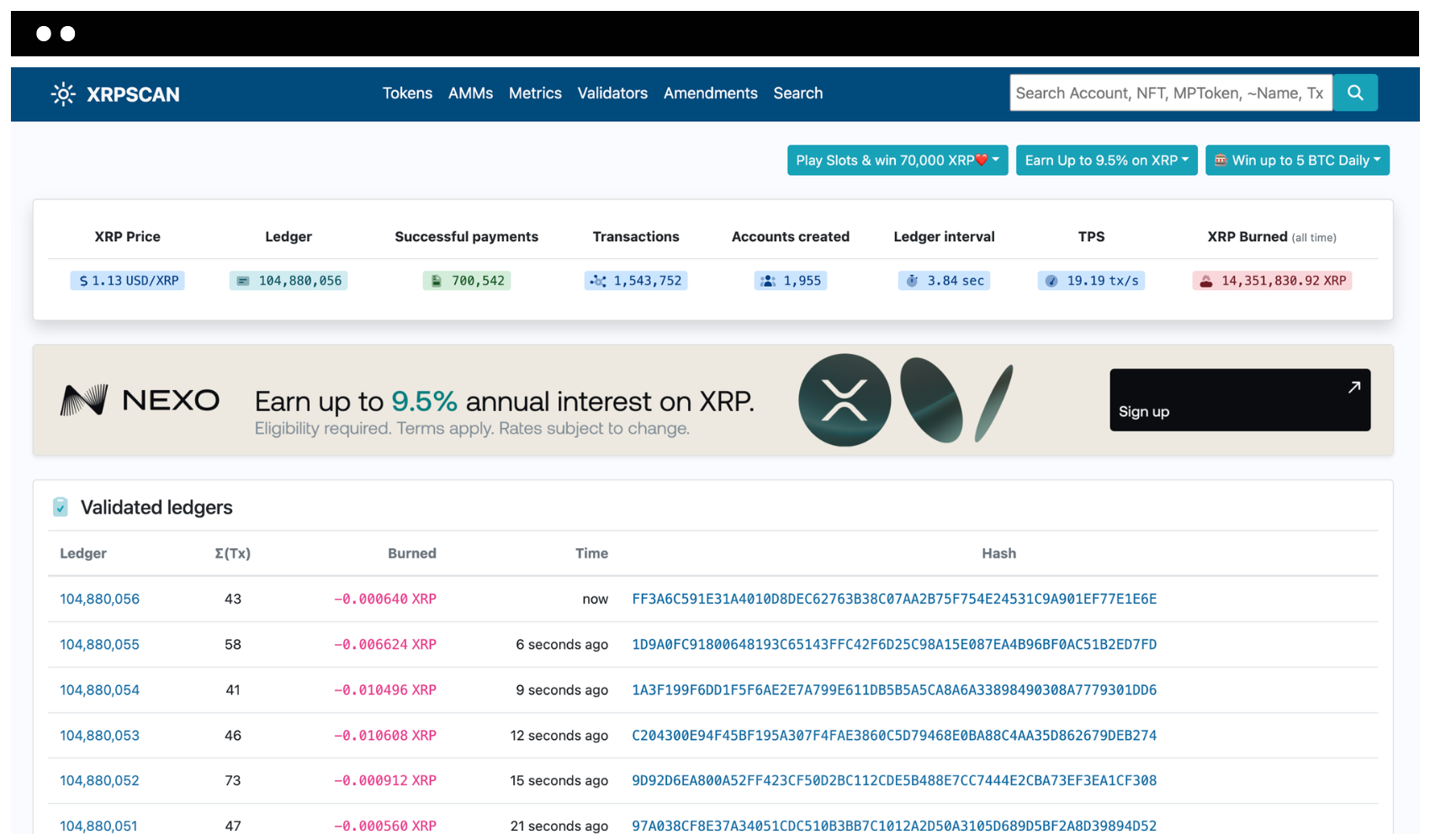
Solana (SOL) and Ripple (XRP), on the other hand, run their own blockchains and operate with different contract address structures.
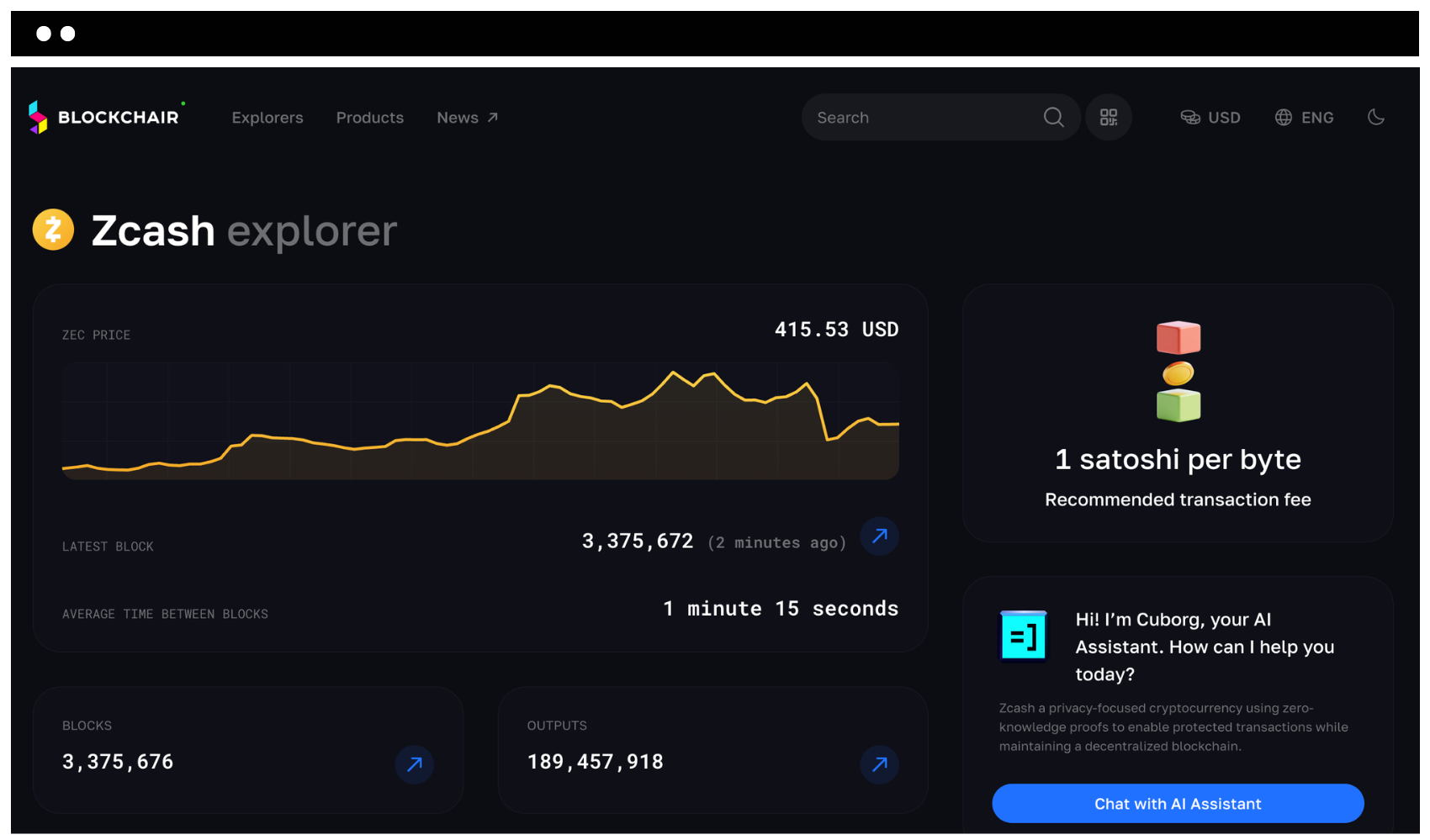
Zcash, a privacy-focused blockchain, also has a distinctive element to its CA. They all start with 't1', which are transparent, and 'zs1', which are shielded.
Tron starts all addresses with a 'T'.
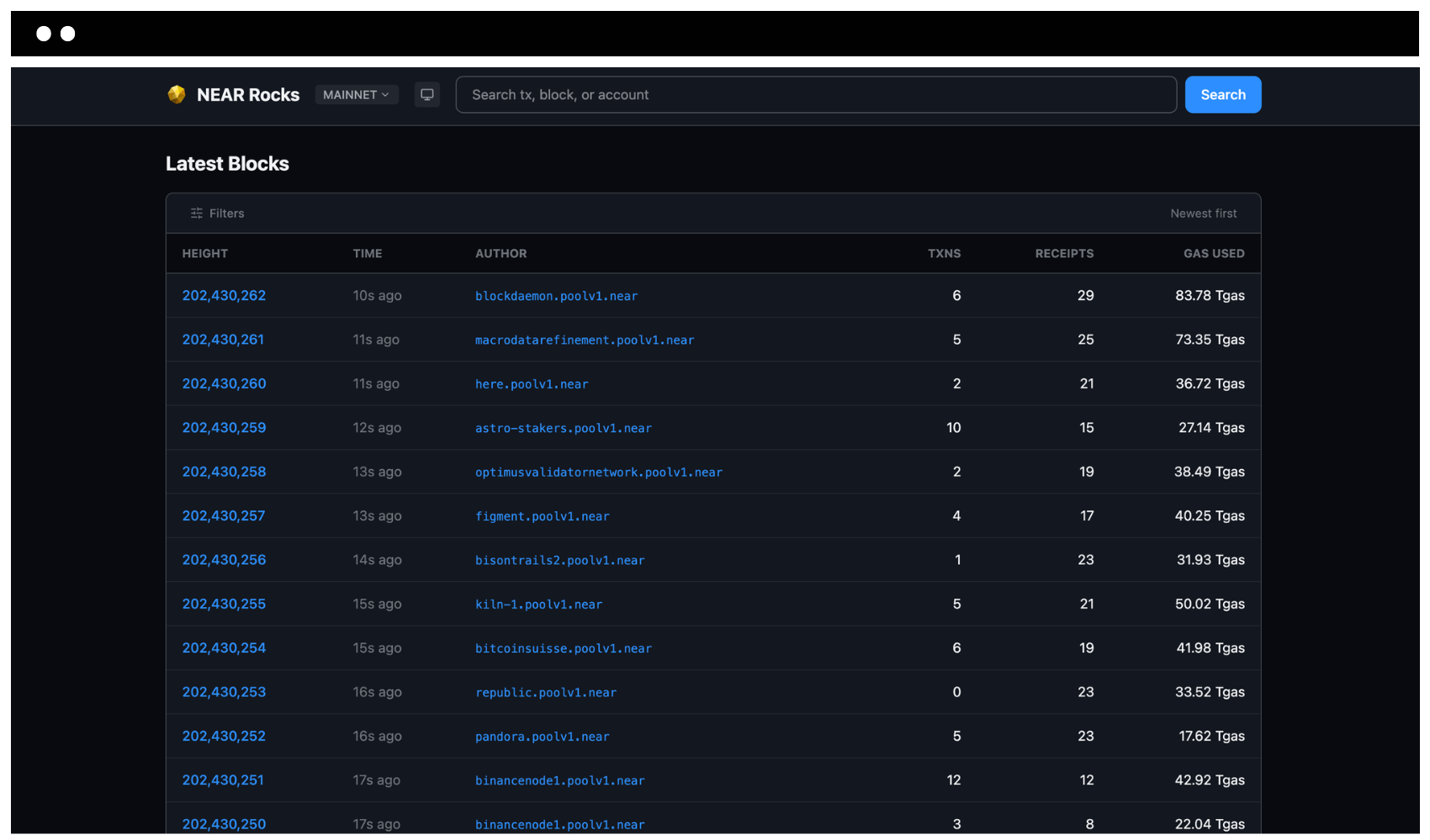
NEAR, in my opinion, is going in the right direction, with their readable contract addresses. This is absolutely the way to go to onboard new adopters.
Ethereum (ETH) offers Ethereum Name Service (ENS), and Solana (SOL) also has something similar, where your address gets linked to a readable address that ends in '.eth' or '.sol'.
CA Across Different Blockchains
Contract address crypto standards differ per chain. Here are some examples.
Note how some of these start:
Ethereum (ETH)
0x742d35Cc...
Base (ETH) - Layer 2
0xd8dA6BF2...
Hyperliquid (HYPE)
0x1B7e4A36...
Binance (BEP-20)
0xA0b86991...
Solana (SOL)
7xKXtg2CW8...
Ripple (XRP)
rHb9CJAWy...
NEAR Protocol (NEAR)
Usdt.tether-token.near
Zcash (ZEC)
t1KST3p1JC...
Tron (TRC-20)
TR7NHqjeKQ...
Contract Address vs Wallet Address: What's the Difference?
Let's keep it simple.
A contract address (CA) is usually tied to a token that belongs to a Web3 product- let's say a protocol token, a token for a dApp, or even a memecoin.
On the other hand, a wallet address serves as a storage location for your assets. Belongs to a person, agent, DAO, exchange, etc.
How To Find a Token's Contract Address
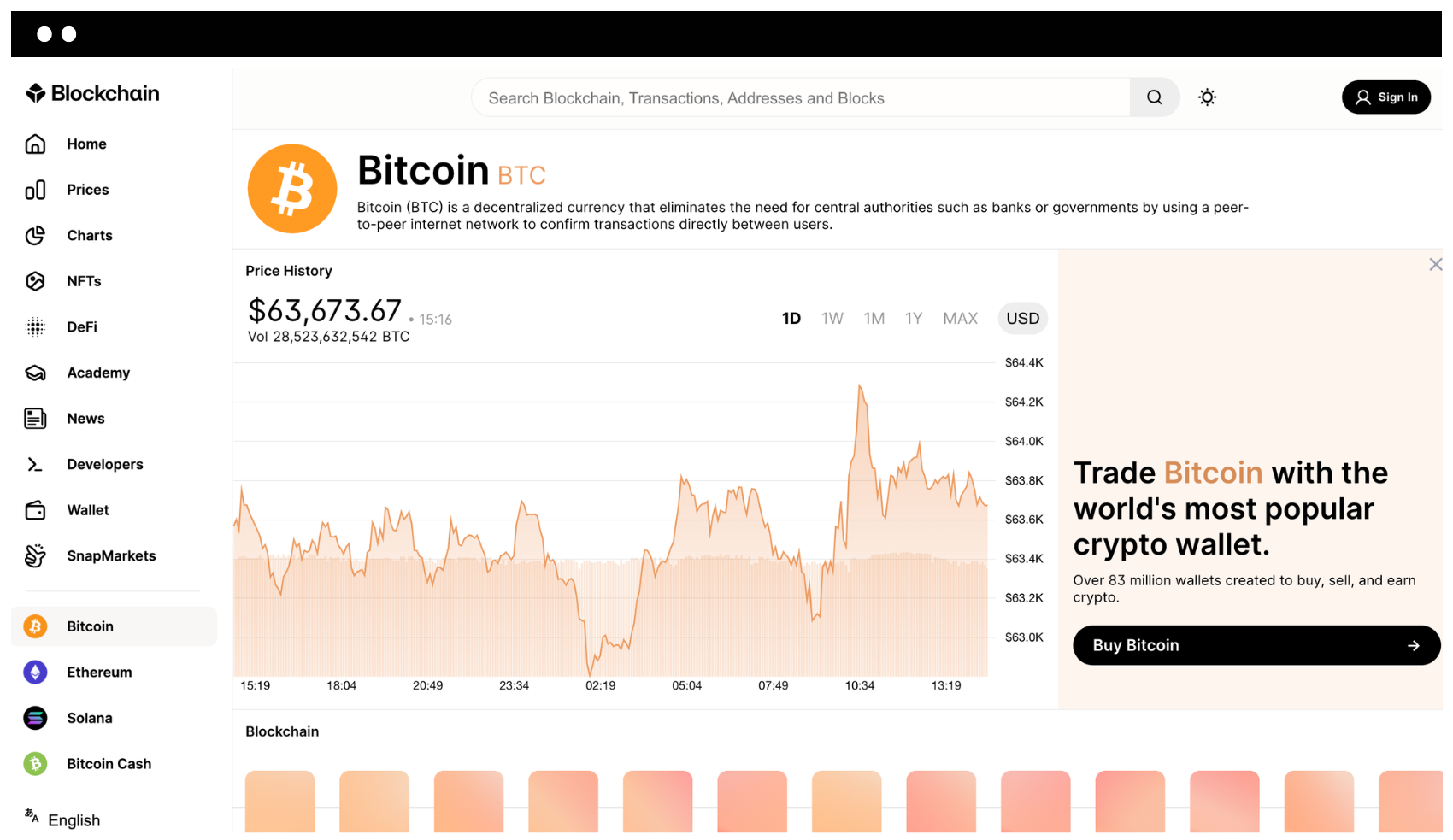
Via Blockchain Explorer
To identify the wallet or token address behind a contract address, there are a variety of blockchain explorers.
To be honest, this is as hardcore as it goes when it comes to seeing data related to the address.
In simple terms, these sites will look archaic to those that are new to the space, but they are the backbone of transparency. A place where you can see every action, asset flows, and relationships among wallets.
Advanced users also use these explorers to interact with smart contracts and skip the front-end of a website, basically the UX/UI. They can simply interact with parts of the smart contract, which can be considered the backend, to make purchases, move assets, and more.
“I did this quite a bit during the NFT bull run. A group of friends and I on Discord would scout for devs launching collections and front-run the actual management team behind it. For example, they would create a collection with 100 assets. Then we would buy 20% of the supply before the marketing announcement, and even before the core team can buy theirs, essentially front-running the entire project for a buck. This still happens to this day.”
Here you will easily identify if it's a token or a wallet, and also the movements of said address.
Blockchain.com for Bitcoin (BTC)
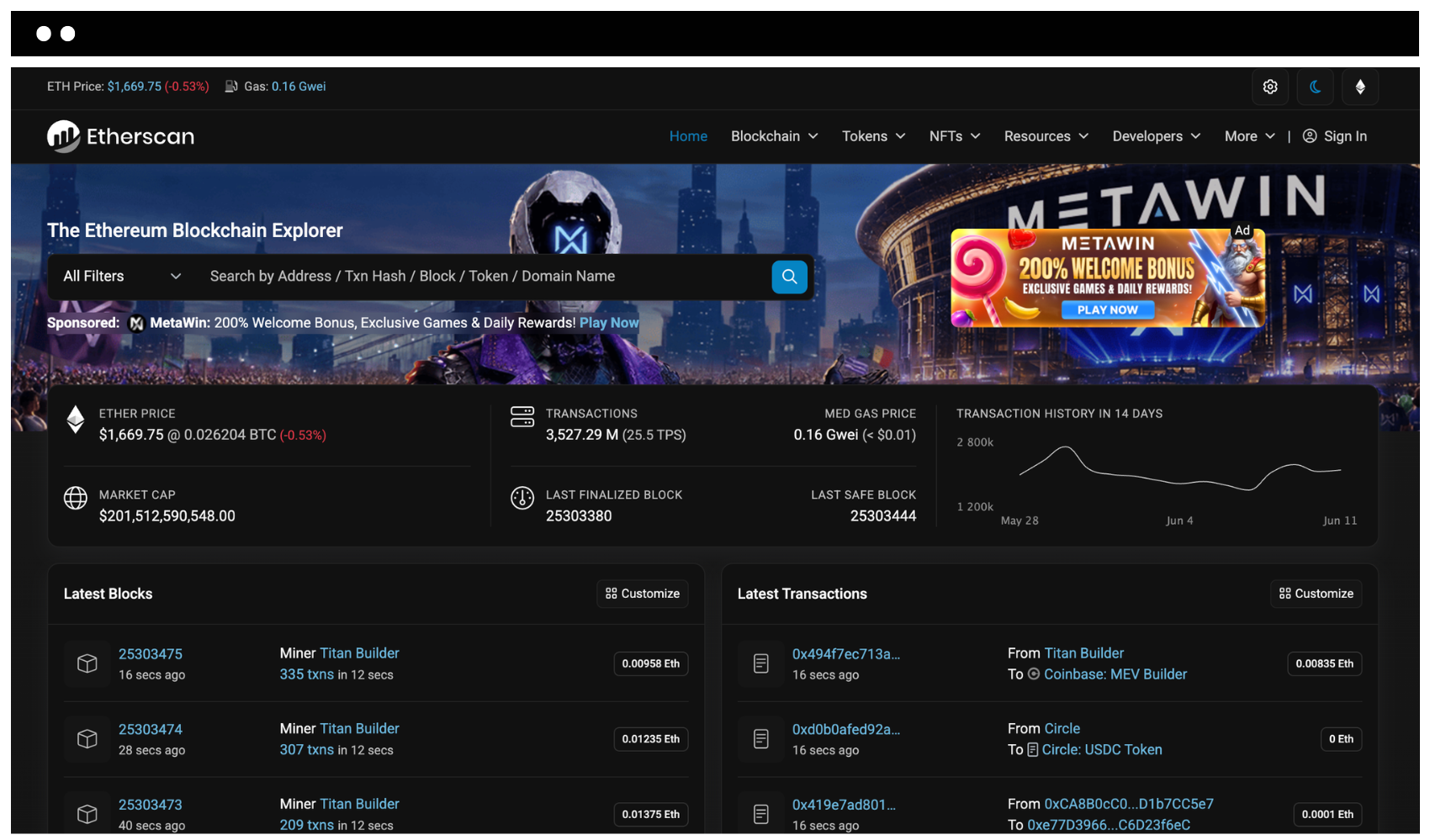
Etherscan for Ethereum (ETH)
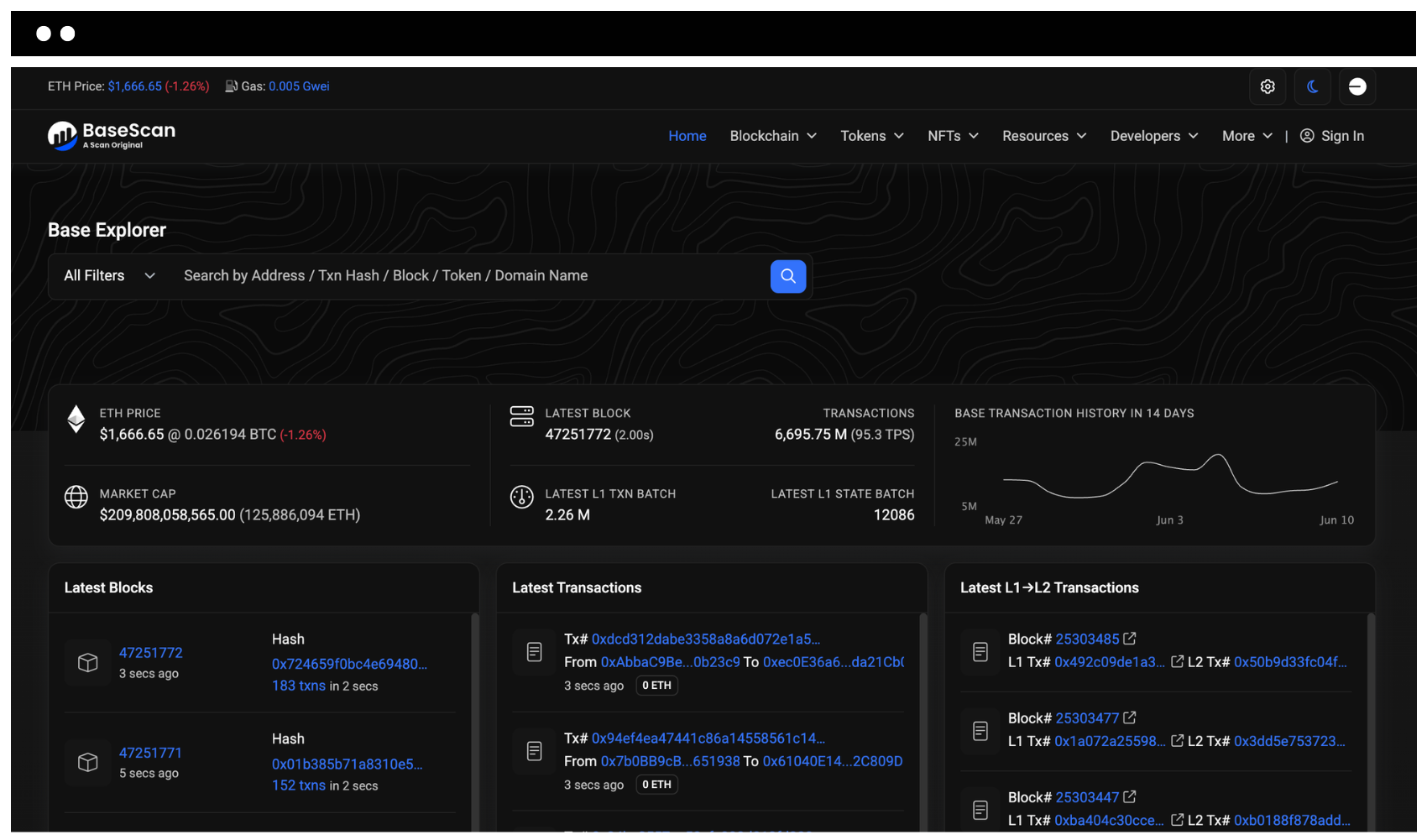
Basescan for Base (Base)
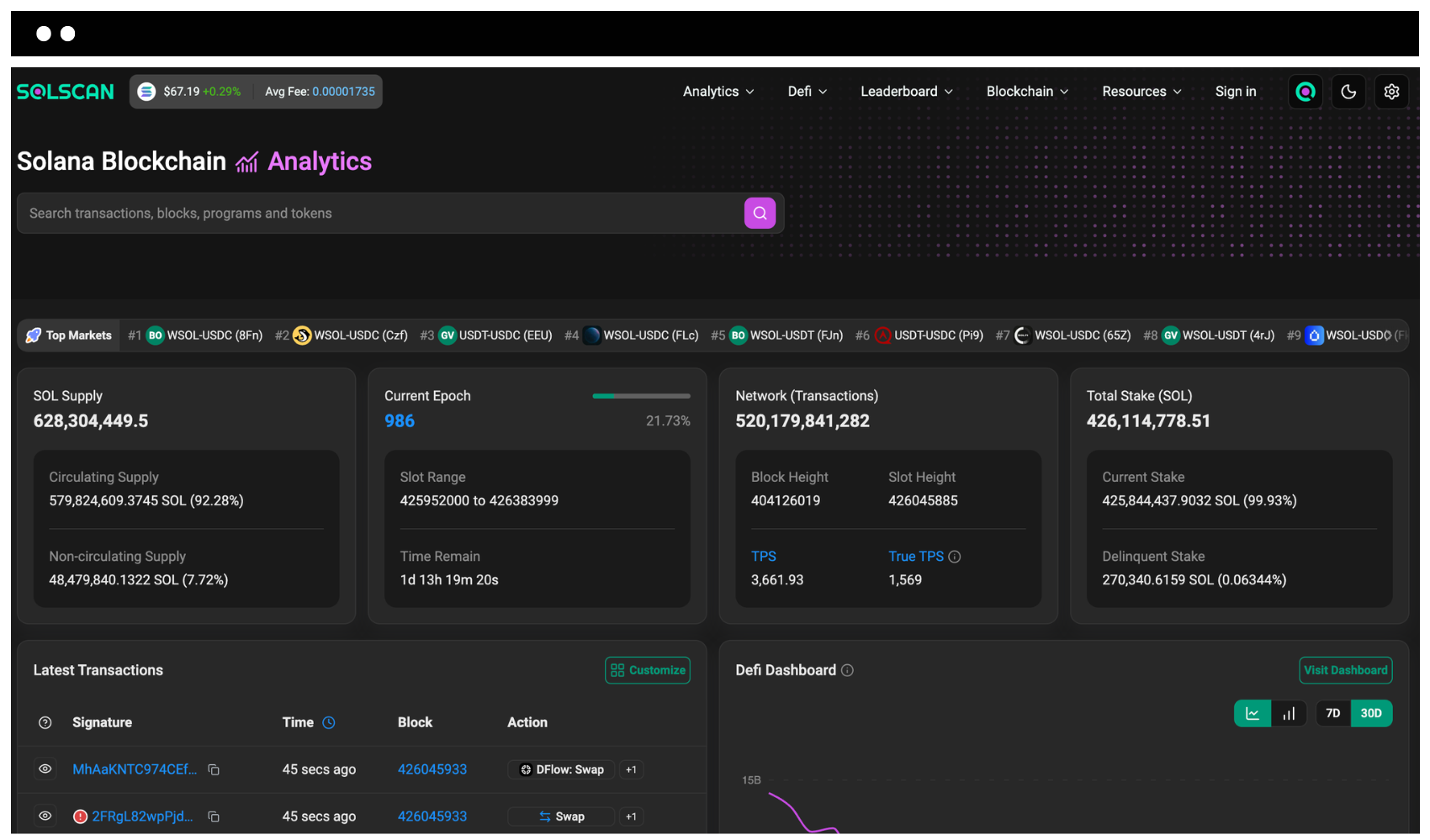
Solscan for Solana (SOL)
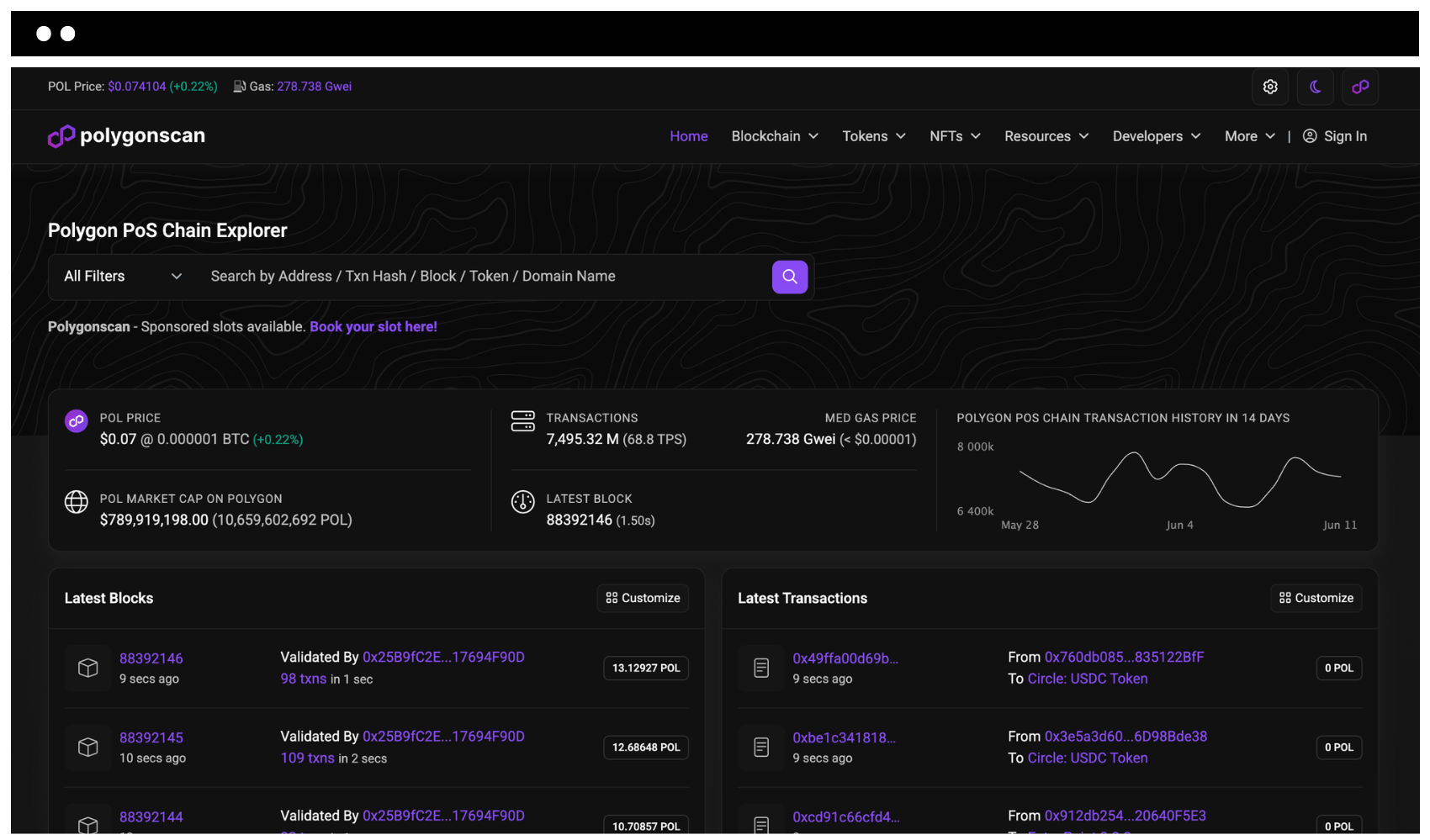
Polygonscan for Polygon (POL)
NEAR Rocks for NEAR Protocol (NEAR)
XRP Scan for Ripple (XRP)
Zcash for Z-Cash (ZCASH)
Via CoinMarketCap or CoinGecko
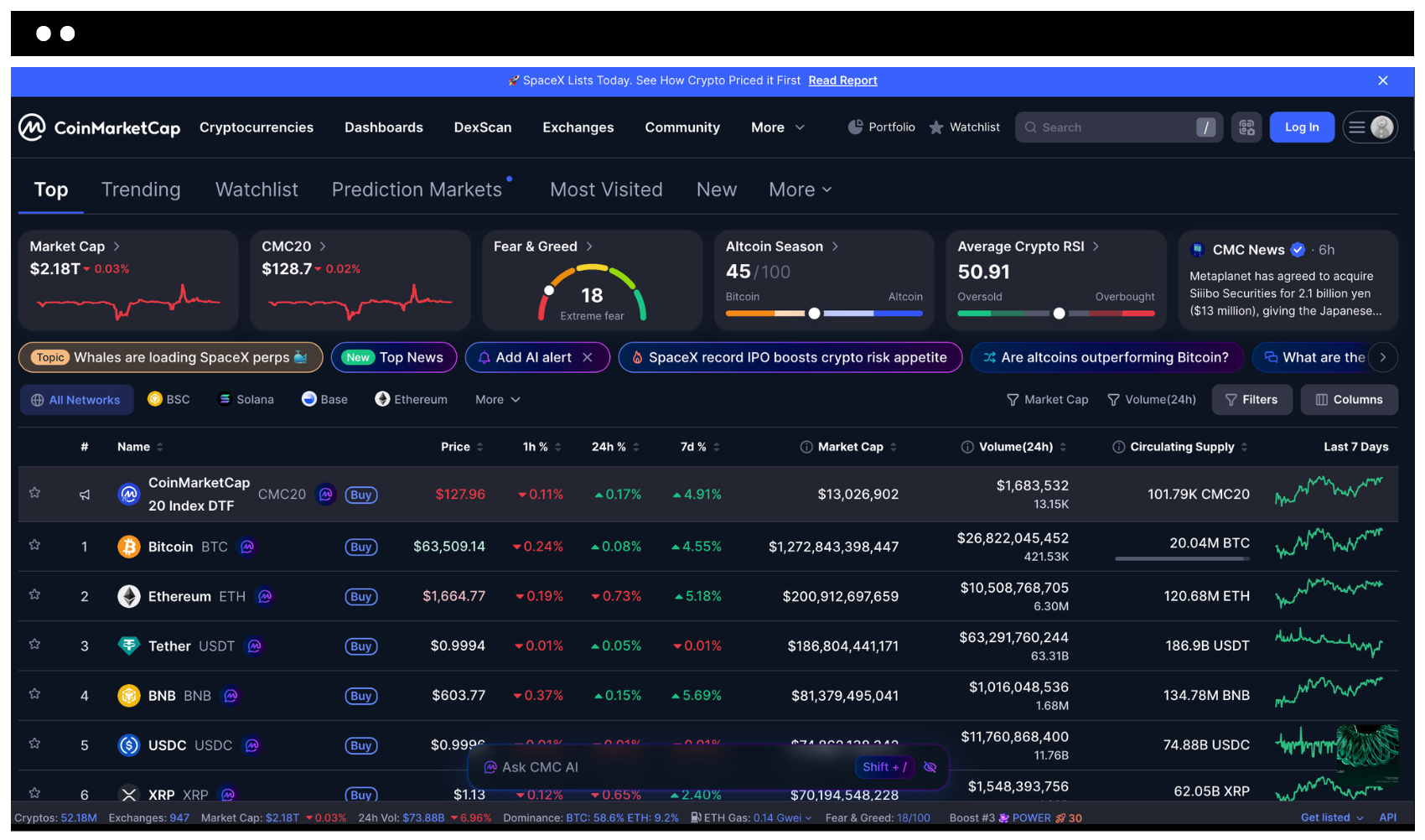
These sites are fantastic for scanning the market cap rankings on CoinMarketCap or CoinGecko.
These sites have an incredible amount of traffic and also include really important, relevant information about the contract address.
In contrast to just block scanners, you will realize these are better-designed websites, especially for newer users.
It's also important to know that you can "pay for DEX", which means you are basically paying for your token to show up. Pay attention to this part: a token listed here might look professional and legit, but many slip in by just paying the fee to get listed. If you are going to go hard on a transaction, make sure it's legit in more than one way.
Wallets do not really show up here. It's strictly for the protocol or dApp tokens.
How To Verify a Contract Address Is Legit
The best way is to refer to these sites above, such as blockchain scanners and market cap ranking sites.
“Although if you are planning to send money to an address, then send a bit of the token, a small test send, before you send it in batches or in one lump.”
Bonus: Tying NFTs to a Wallet Address
If you are trying to identify someone's wallet, the easiest way is through NFT profile-picture (PFPs).
The steps on how to find a contract address on an NFT marketplace like OpenSea or Magic Eden are super simple.
Each NFT is typically accompanied by unique traits that you can then filter on NFT marketplaces, pinpointing exactly the wallet that owns it.
But be careful, it's too easy for someone to maliciously copy the collection entirely, deceiving you into thinking it's the original one. This is where understanding provenance is important, and again, double-check to ensure you are interacting with the correct asset by verifying the creator or source of that contract address (CA).
“Trust me, I've interacted with a wrong contract address before. If you buy the wrong asset, you are likely going to have to keep the asset forever or pay high fees, since there is no sales volume and it's basically a worthless, static asset.”
If you in the market for a new crypto wallet, check out our list of best NFT wallet rankings.
Tools To Use
Certik
One of the best smart contract auditors in the space, especially for identifying suspicious activity.
If you ever wanted a good company that signals a rug pull and red flags, this is probably it.
“I even met an engineer at a Uniswap event in SoHo, at the Ice Cream Museum. It was cool hearing him break down his engineering work for them, especially because the line was massive for the event.”
Funny enough, you stumble into great companies in the weirdest ways.
Their tool, Skynet, is enough to dig into any contract address, and it's free.

Give it a shot. It's well worth it.
Also, learning how rug pulls work, MEV attacks operate, and what is bundling in crypto.
Arkham
For wallet checking, especially the biggest ones, Arkham is a great choice.
For instance, if you needed to know how many Bitcoins Elon Musk's Tesla has, or how much Ethereum Vitalik Buterin has, then you can count on Arkham to give you the answer.
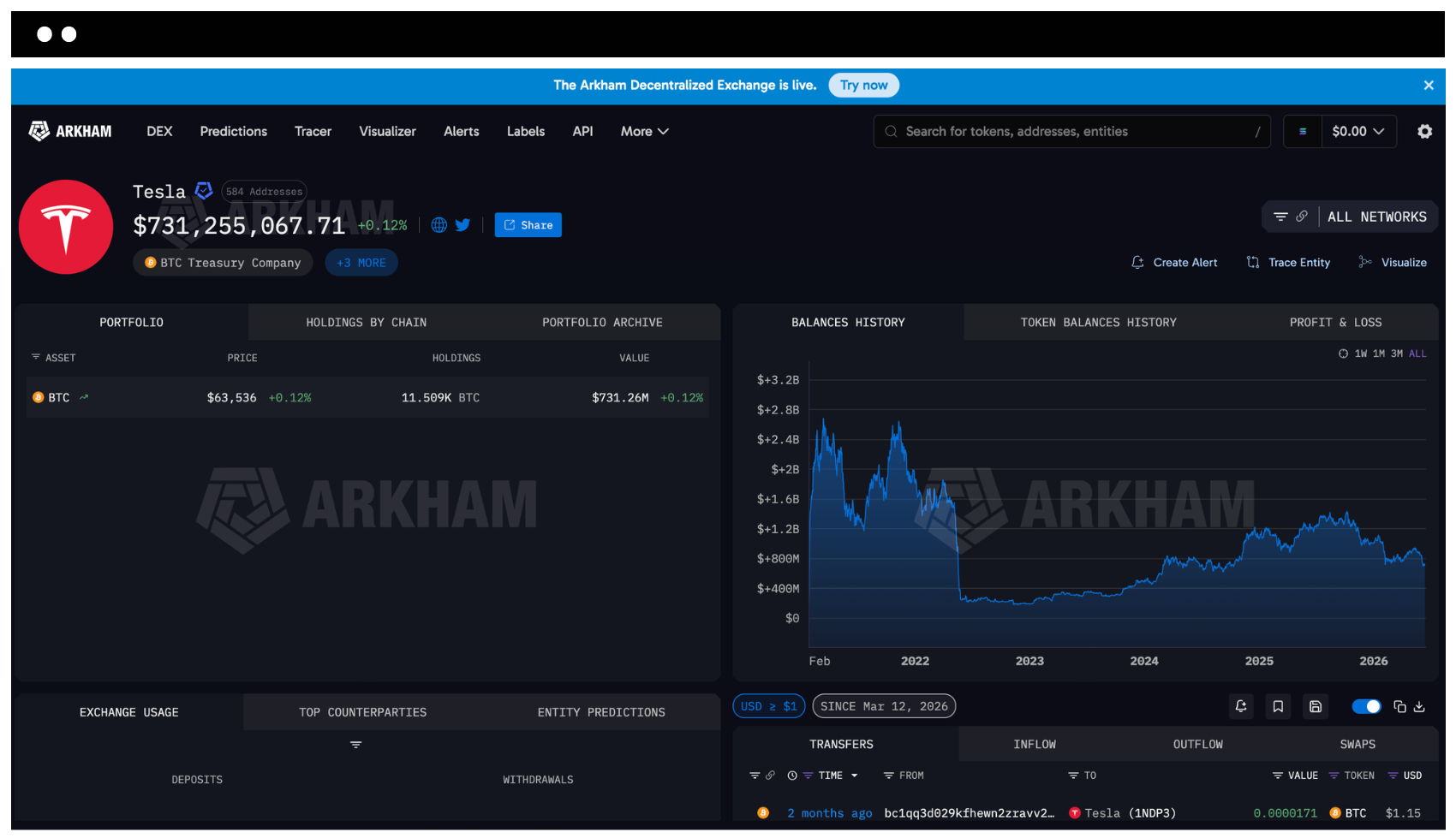
You might be aware that coin allocation crypto airdrops are also possible. A cool way to check if someone you consider important received it is by typing their address here and seeing if anything pops up. Remember, these are big scale influencers, give our post a read about what is a KOL in crypto to start a list of folks to tune into if needed.
“Vitalik Buterin, for instance, gets airdrops of tons of memecoins and random tokens, so the people behind them can market and promote them. These are most likely unsolicited and scammy in nature. Vitalik is known to sell these tokens right away and donate to his favorite charities, for instance.”
Some people are confused as to why he does not sell the tokens and fund the Ethereum Foundation, serving builders in the space.
Me included.
Why the CA Matters Before You Trade
Red Flags To Watch For
Despite the millions of potential red flags available, there are some tools that actually pull their weight in terms of flagging warnings.
Again, Certik and Arkham are good to start.
It's more or less doable to scope a rug pull before you take action. Just know that bad actors are always improving their craft.
Therefore, relying on companies that help identify these folks is always a best practice.
Fake Tokens and Scams That Use Wrong CAs
Pay special attention to the contract address (CA) of the asset you are buying, or the wallet you want to interact with.
The logo, name, description, and pretty much everything aside from the contract address (CA) can be replicated on the same chain or others.
Be very careful because scammers are quite advanced nowadays, and unfortunately, a lot of the crypto UX/UI still needs to be improved. Mistakes happen for a variety of reasons.
Do not be so stressed, though.
A simple copy (Cmd/Ctrl+C) of the contract address (CA), paired with a search function on your browser, is all you need.
Follow these steps:
- Copy the contract address (CA)
- Hit search on the web page (Cmd/Ctrl+F), and paste it there to highlight the address on the page. Make sure it's the right one, and you are good
- Even after pasting the contract address (CA) anywhere, whether it is to send tokens or buy/sell one, I search (Cmd/Ctrl+F) to ensure that I did not delete anything by mistake
One character mistake can send your tokens to an unknown address or trigger an unintentional order.
Better safe than sorry.
What To Do If You Used the Wrong CA
This might be quite the issue, to be honest. But it happens.
If you end up buying the wrong token at an exchange like Coinbase, or a DeFi tool like Uniswap or Jupiter, you can most likely trade it back to whatever asset you wanted in the first place, at a fee, of course.
If you happen to send money to the wrong wallet, you will have to find the wallet, and then find a way to contact them.
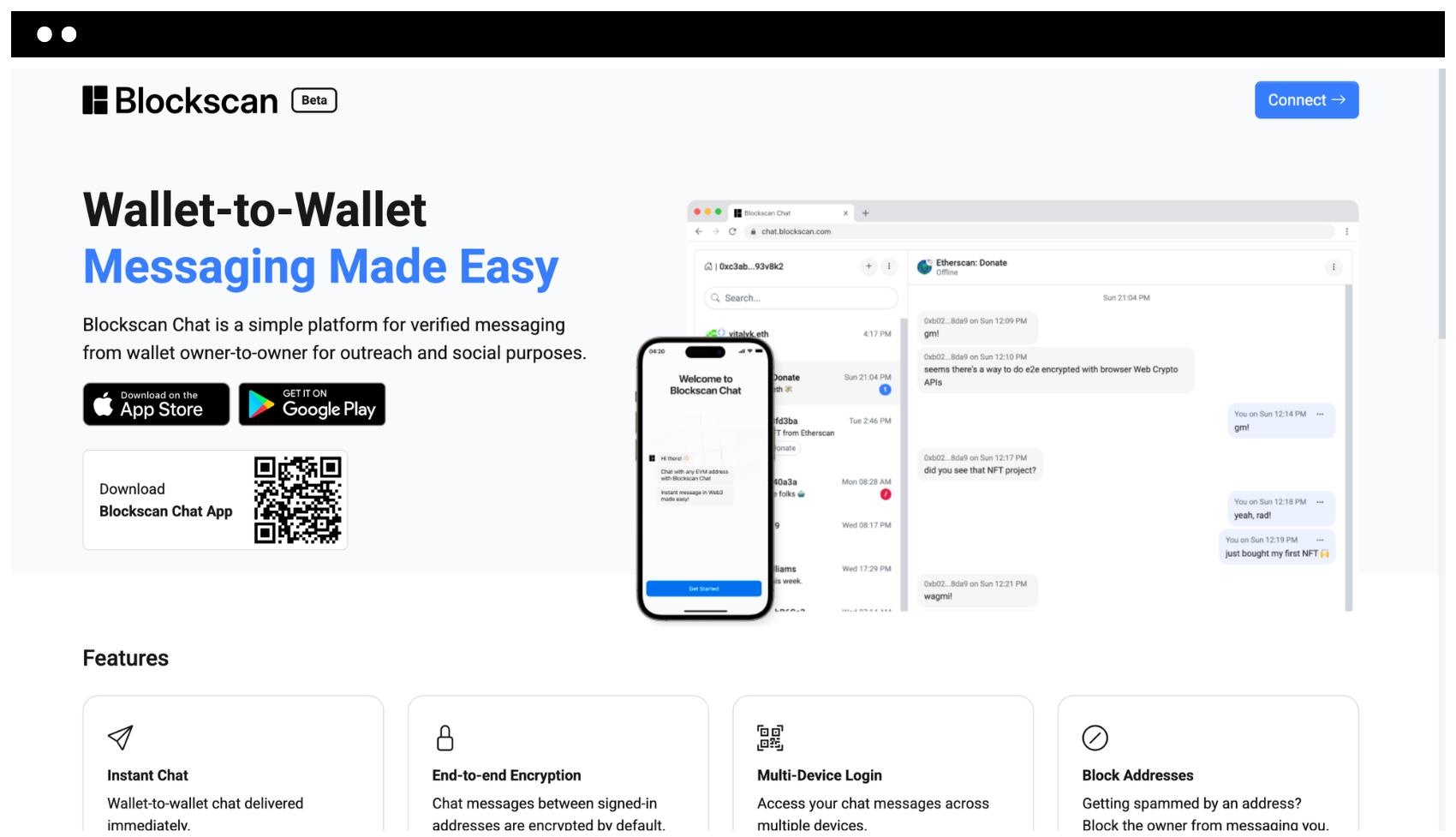
To be honest, I'm not sure the most effective approach here, but Blockscan Chat has an option to send a message to any wallet. Might as well give it a shot if it's worthwhile.
Frequently Asked Questions (FAQs)
What is CA in crypto?
CA most commonly stands for contract address, a unique identifier for a token or smart contract on a blockchain.
To keep it simple, either a contract address, coin allocation, or crypto assets.
Is a contract address the same as a wallet address?
No, a contract address can represent the address of a token protocol or dApp. Whereas the wallet address does not have value and just serves as storage.
How do I find a token's CA?
I'd start by searching CoinMarketCap or Coingecko, then the website or official social channels. Be careful with social, because accounts can be easily hacked with scam token addresses. You can also opt for block scanners, but as mentioned before, these can be confusing to a new user.
Can a contract address be changed after deployment?
No.
How do I know if a CA is legitimate?
I recommend validating it with CoinMarketCap or Coingecko, and even tools like Certik or Arkham. Cross-reference with other top holders, and ensure they have the same contract address for the token in their wallet.
What happens if I interact with the wrong contract address?
Three scenarios are possible. Either the transaction fails, the exchange accepted a transaction that is reversible by swapping again, or you sent it to an unknown address. The latter is the most complicated since there are not many ways to contact unknown addresses. We broke down some options to consider in the write-up above.
Conclusion
In summary, by reading this short post, you should be equipped to find a contract address (CA) or a token contract address in no time.
Don't overthink it much. By now, you should be equipped to know what is CA in crypto.
A CA is most likely a contract address.
How to find contract addresses per chain is really no issue, especially with what we learned above.
To complement your crypto chops and knowledge, checking the list of the best crypto books is always a next step.
Disclaimer: Some links in this post are affiliate links. When you click through and make a trade or sign up, we may earn a small commission at no extra cost to you. We only recommend platforms and tools we actually use and believe will help you navigate the crypto markets more effectively. This helps us pay the bills and keep delivering the alpha and market insights you rely on. Thanks for supporting Joined Crypto!

.png)