Let's break down in this guide some of the very best tokenization platforms in the crypto, and what to look for in the vast world of tokenization for either institutions or retail users.
What Is a Tokenization Platform?
A tokenization platform is crypto infrastructure that helps real-world assets get added to the blockchain.
The first time that I tried a tokenization platform, or at least saw it, was with xStocks. They were doing something pretty interesting: tokenizing stocks like SpaceX and other up-and-coming IPOs.
I do have a friend in private equity who invested in SpaceX back in 2022, so seeing the whole option to buy a stock pre-IPO was wild for me.
I saw many other cases of tokenization at BlockApps too, with Strato Mercata at the time. As a marketer there, we discussed tokenizing debt, real estate, and more. A company that today has developed solid traction with the tokenization of gold, silver, and its own stablecoin.
I held conversations with companies working in the tokenization and compliance space recently as well, chatting about some interesting roles at the time.
Picture talking to companies like BroadRidge, sFox, or SoFi. All these companies are heavy hitters in the crypto space.
Anyhow, this is how I started to get into the topic.
A blend between actual work at an EVM-compatible L1 blockchain, Strato Mercata, having some interviews with others in the space, and following the whole frenzy of folks on crypto X (formerly known as CT) talking about trading RWA’s pre IPO, primarily SpaceX.
These companies are handling the entire life cycle of what we see in fintech.
For the most part, this includes issuance, compliance, distribution, trading support, and corporate actions such as dividends, governance, voting, and more.
After being in this space working in-house and as a retail user, I'd have to say that the stablecoin concepts also overlap with tokenization.
Tokenization applies to the best stablecoins you see nowadays, too.
Fiat currencies are being tokenized with the same intent as the housing market will be, leveraging transparent, fast, efficient, global trading 24/7 everywhere you desire.
And of course, some tokenized assets and opportunities are not so obvious plays for some.
Basically, the entire world is being tokenized, and asset managers could not be more delighted.
This write-up serves as a great tokenization platform guide.
Check the outline below:
- What Is a Tokenization Platform?
- How It Differs From a Crypto Exchange
- Tokenization Platform vs Tokenization Protocol
- Who Uses Tokenization Platforms
- How We Ranked These Platforms
- Best Tokenization Platforms in 2026
- Best Tokenization Platform by Asset Class
- What to Look For in a Tokenization Platform
- The RWA Market in 2026: Why This Matters Now
- Risks of Using a Tokenization Platform
- Frequently Asked Questions (FAQ)
- Conclusion
How It Differs From a Crypto Exchange
A crypto exchange is just like a market where you can buy all sorts of tokens, where they provide liquidity and different custodial options to trade.
The number of offerings an exchange offers nowadays is vast. We are way past the era of just on-and-off ramping, and hopefully hodling.
Exchanges keep adding features, but for the most part, they steer away from tokenization itself.
On the other hand, a tokenization platform focuses on issuance, basically creating the token itself.
Remember, real-world assets need to be verified in order to be transparent to the consumer.
A job that requires a unique set of capabilities to actually pull off.
In simple terms, the exchange is where you trade, and the tokenization platform issues the real-world asset to trade on-chain.
“Imagine someone gives you $2B to tokenize and call it the xyzUSD stablecoin. The plan is to earn yield through trading fees. You need a reputable company to certify you have it, and then, on top of that, bring it on-chain, then off to the exchanges for trading.”
A scenario like this usually helps me better understand the concept.
Tokenization Platform vs Tokenization Protocol
A tokenization protocol is the technical standard or smart contract that defines what an RWA could be.
Take EVM’s ERC-20, ERC-3643, or ERC-1400, for example.
I personally deployed some smart contracts of my own on test net. It helped me understand how you can set a capped supply of anything, paired with your own rules beyond just the basics.
So to me it makes total sense to add a quantifiable amount of assets on-chain. The idea is to provide transparency for the issuer and the holder.
When it comes to a tokenization protocol, the sky is the limit.
If you see anything worth checking in terms of a token, grab the contract address (CA) and give it a look on a block scanner at least.
To counter any pitfalls if you are looking to interact with tokenized assets, I happen to just grab the smart contract and run an audit with any of the solid AI/LLMs we have nowadays. Paired with a check on auditors like Certik and Arkham.
A tokenization platform is, again, one that provides token issuance and management and helps you bring it all on-chain.
All to leverage blockchain technology, which serves an elevated tier of transparency and 24/7 trading capabilities, changing the fintech scene for the better.
Who Uses Tokenization Platforms
Issuers
To keep it simple, the issuer is the holder of the underlying asset being tokenized.
They can also pull the underlying asset at scale globally, essentially raising capital more efficiently.
To me, the whole bottleneck when it comes to issuers is staying regulated.
A clear example is the epic race we see between Circle (USDC) and Tether (USDT), the two best stablecoin giants right now.
First, remember that these issuers are USD-related, meaning they are tokenizing their own assets 1:1 with the American dollar ($).
Circle went the long way, going the farthest in terms of being compliant in the US and growing rapidly.
Tether still has US-based compliance issues, but is ripping the market apart as the number one stablecoin at the moment.
Similar to the prediction market situation we saw recently, with Polymarket going first to market globally, and Kalshi locally in the US, but consequently the latter making more revenue than the other.
Funny how it happened with stablecoins, then with prediction markets. Signaling how great it is to be first to market in the US.
Institutions
Once the token gets issued, enterprise buyers like banks, asset managers, custodians, broker-dealers, and financial market infrastructures step in.
We made a good list of some of the best crypto-friendly banks, if you need some intel on who is out there.
Instead of building everything from scratch, institutions can ensure that the platforms match the competitive landscape, something that makes sense given the novelty of this market.
These are the very companies that are interested in new crypto-related product creation involving tokenized funds, real-world assets (RWAs), treasuries, and more.
Not to mention that these platforms already offer great operational efficiency, 24/7 settlement, optimal liquidity, and management.
One name to take into account at this stage is JPMorgan Chase, the largest bank in the world.
Believe it or not, your Chase account will most likely offer tokenized assets like Chase’s very own stablecoin, and a variety of interest yield options tied to other assets.
Nothing official yet, though, for retail users, though.
What’s official is the JPM Coin, built on Ethereum’s Layer 2 chain, Base, that helps with money transfers, collateralization, and settlement all on public blockchains.
JPM Coin is a deposit token issued on Base (L2). It enables you to move money, post collateral, and settle transactions on public blockchains.
Only for large institutional and wholesale corporate clients, but it makes you ponder how retail will engage with something like this.
Especially with growing banking competitors like SoFi, offering their very own stablecoin, SoFiUSD.
Retail
I'd say this is the most interesting market when it comes to tokenization platforms.
You can easily see how a platform like xStocks allowed the typical Joe to buy pre-IPO stocks from private equity.
All this came from private equity folks who are smart enough to test it early and reap the profits.
The market of retail tokenization platforms has developed to the point that companies like Hyperliquid, Coinbase, and Robinhood are tapping into perpetual futures.
These platforms allow you to trade pretty much any stock, commodities, and treasuries with elevated leverage.
How We Ranked These Platforms
Selection Criteria
To be frank, I haven't created an issuance for any tokens myself.
Some of the names that we've selected in terms of tokenization platforms were added based on measurable activities that are backed with data.
The whole point here is to give you a solid list back based on traction. Take into account the metrics below, including XYZ.
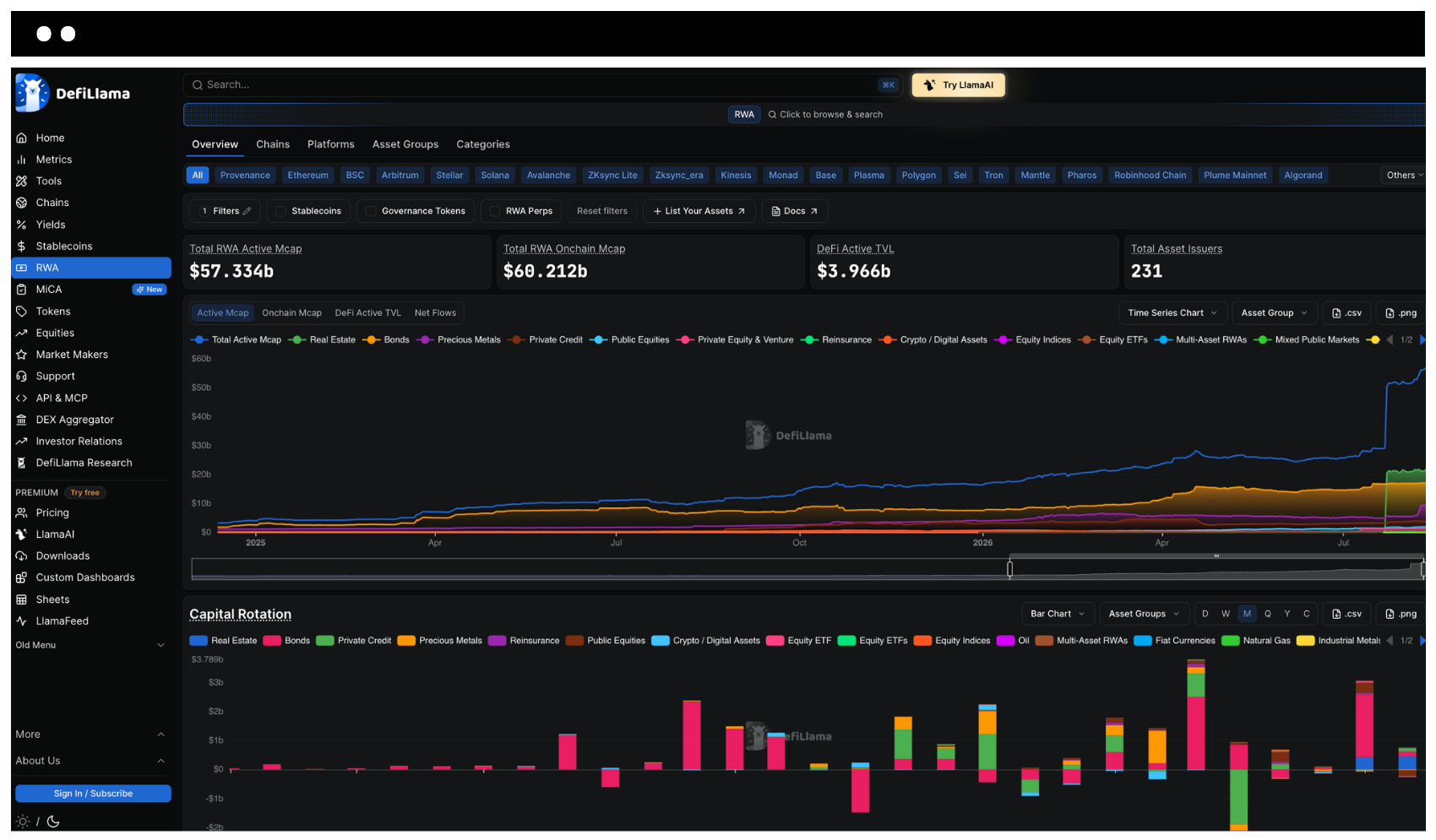
Again, all the tokenization platforms mentioned above are also gaining tons of popularity and knowledge hubs at both enterprise and retail levels.
TVL
Total value locked signals the wealth secured for the tokenization platform at hand.
If you see a high number, it’s probably backed by big institutional players that own the underlying issued asset.
In simple terms, if a platform holds $10m of gold, that piece of equity belongs to the total value locked stack.
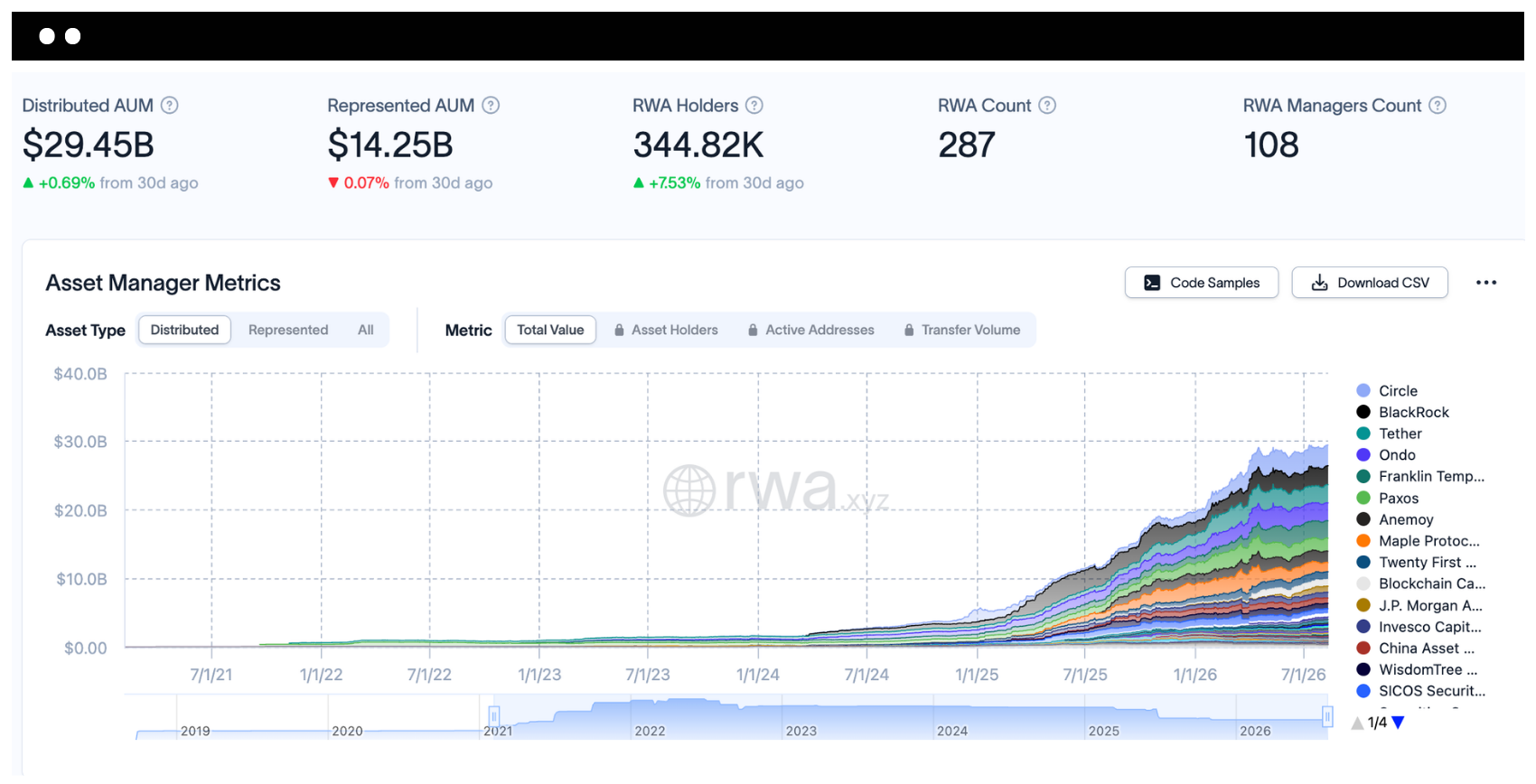
Simply add up all the assets that the platform has, and you will get the TVL for it.
Another metric worth keeping an eye on is Assets Under Management (AUM), which is the decentralized finance (DeFi) equivalent of TVL.
Compliance
Anything legal is tied to local jurisdiction.
As someone who worked in fintech and in crypto, I can tell you that this is the most annoying part of the industry.
One slip and your entire company and operation could be out of the game. As mentioned, other write-ups do not skimp on good counsel.
Seek to reduce legal risks that can jeopardize your issuance as an Institutional player, or your impact on your funds as a retail investor.
In my opinion, it's safer to work with compliance-ready Tokenization platforms that have a clean track record.
The moment that you decide to work with one of these, a good practice today includes following all the C-suite executives on platforms like X, especially keeping an eye on crypto X (CT), and LinkedIn.
Chain Support
Okay, so hear me out on this.
We wrote a piece about how to grow a cryptocurrency exchange platform, and the thing we noticed is that a lot of companies, especially L2s, store a backlog of transactions off-chain, rather than immediately on-chain, while some do a combination of either or.
It's logical to think that the more chains you support, the merrier, but the simple metric to follow here as a north star is traction.
As you dissect traction, you will realize that no matter how cheap the blockchain is, if it has no traction, then there's no point in issuing anything on that particular chain.
“As the good folks in finance say, just follow the money.”
Obviously, the same old phrase applies today, even in the wild and novel world of crypto.
Use Case Fit
As you dig into the data, you'll start to see a pattern of the assets being placed on different chains.
These might differ from treasuries/MMF, Private credit, real estate, equities/ETFs, and institutional securities.
Some folks are trying to break into new markets with specific compliance requirements.
In that case, I'd highly recommend sticking with the most compliant, ready-to-go tokenization platform that you can find in that jurisdiction.
Just remember the example of Kalshi and how they went as far as taking the SEC to court in the United States.
Without the right players by their flank, they would have never been first to Market in the United States, and champions of the current prediction markets.
Quick Comparison Table
We broke down a quick table showcasing the strength of each of these platforms.
Beyond understanding what they do, we have a bio for each of these companies, giving you more detail about the founders, their origin story, their websites, and more.
One thing to take into account is that we mainly cater to the United States audience, ensuring we deliver products verified by our own jurisdiction.
Read the above again if necessary, because this list could easily vary depending on where you are.
Best Tokenization Platforms in 2026
One thing that's important to me is to curate a list of companies that operate out of the US and are also compliant with the local jurisdictions.
1. Securitize: Best for Institutional Securities
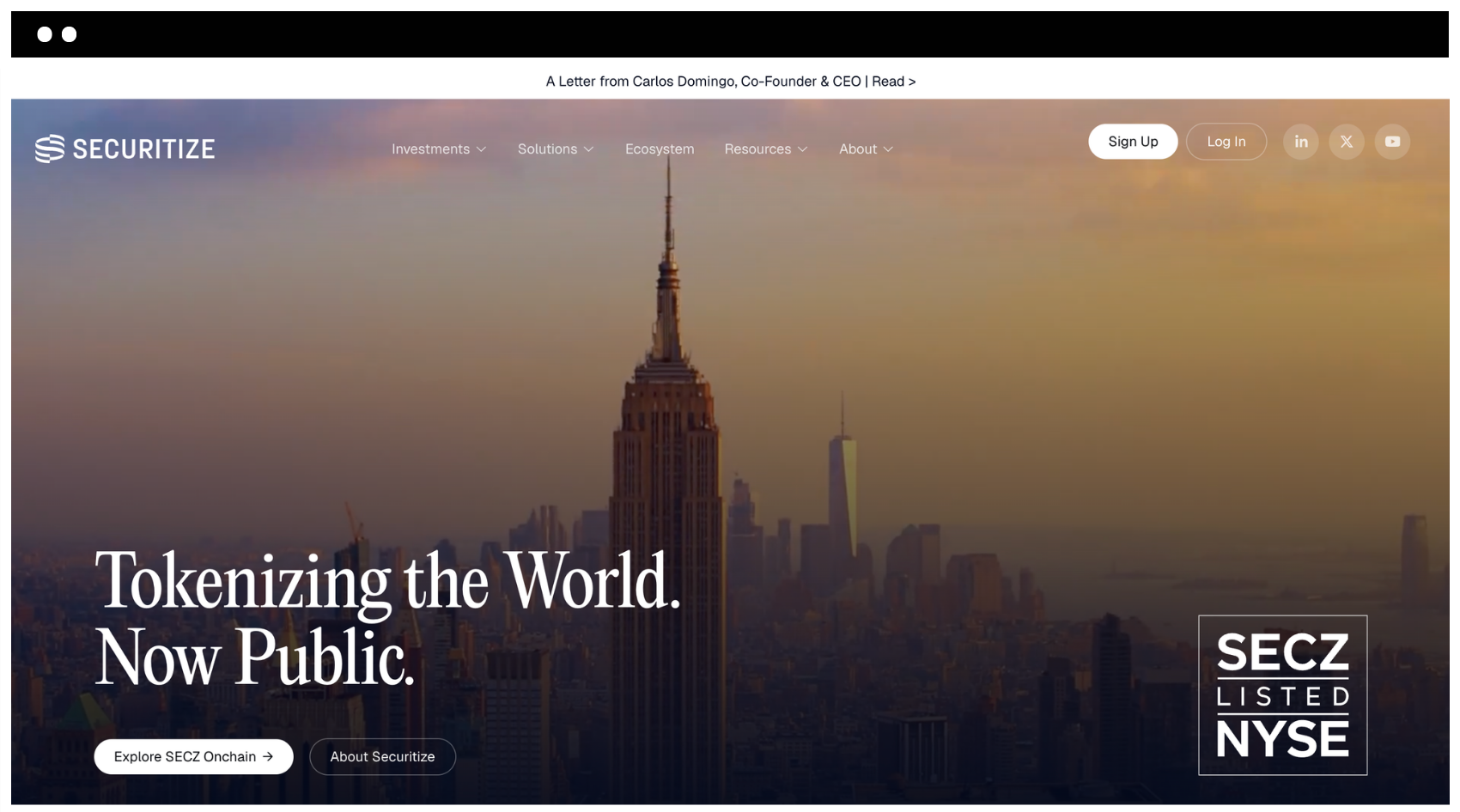
This is a company that I've heard quite a bit about.
Founded by Carlos Domingo and James Finn back in 2017. This happens to be when I got involved in crypto, buying assets like BTC and ETH.
It's incredible to see how these Founders have positioned themselves as the top player when it comes to tokenizing assets and as a market leader in this space.
Especially as a leader in the United States.
Their US regulatory stack is the most developed.
Covering certain key elements to succeed, including: holds SEC-registered transfer agent, FINRA/SIPC broker-dealer, Alternative Trading System (ATS), and RIA status.
It also has DLT Trading & Settlement licenses.
Core services cover full-lifecycle tokenization, primary issuance, transfer-agent functions, secondary trading, and fund administration.
Working with the very best asset managers in the space. BlackRock (BUIDL), Apollo, KKR, Hamilton Lane, VanEck, BNY, and the New York Stock Exchange (NYSE).
Institutional securities and money-market fund tokenization remain the cash cow of Securitize.
The preferred direct issuer-sponsored model by regulators and large asset managers.
It also runs multi-chain, opening to a wide net of users. Not to mention, they are listed on the NYSE as of 2026, which adds even more evidence that this is a serious and transparent enterprise.
2. Ondo Finance: Best for Tokenized Treasuries
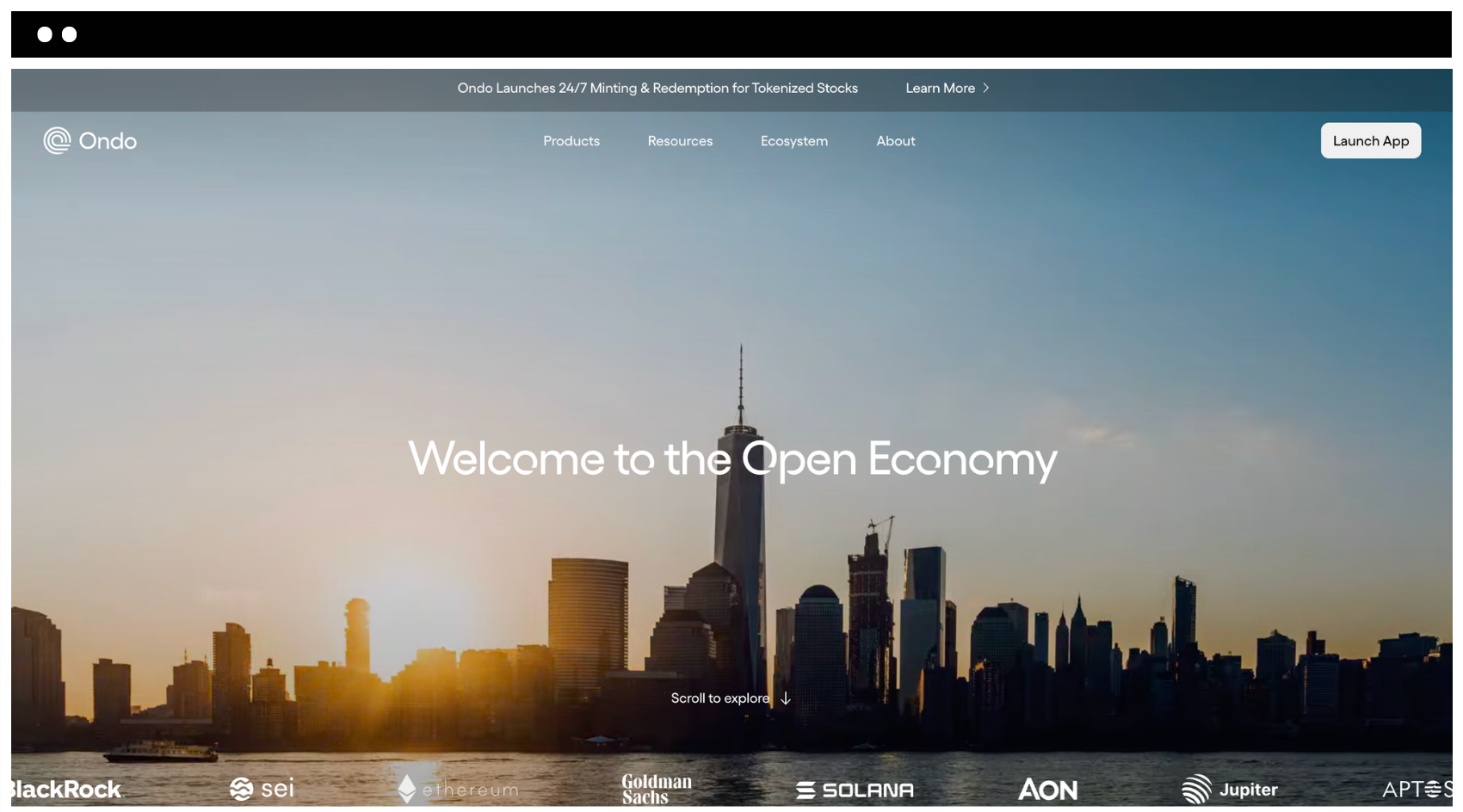
One of my favorite companies in the space.
As a New Yorker myself, even though I'm a space transplant, I get to see a lot of their ads posted everywhere. Which is awesome to see. It shows interest in growing, and that's always a net positive.
Co-founded in 2021 by Nathan Allman, an exceptional young entrepreneur who passed away in May of 2026, yet his legacy remains alive through Ondo Finance.
His co-founder, Pinku Surana, remains in the scene, along with their new CEO, Ian De Bode.
Operating with SEC-registered investment adviser status and, via acquisition, broker-dealer/ATS/transfer-agent capabilities.
It blends institutional cash management with strong multi-chain distribution and DeFi composability.
In terms of partners, they include BlackRock, Fidelity, Mastercard, PayPal, SBI, and DTCC consortium members.
Growing its US investor access through FINRA clearances and compliant third-party custodial models.
Flagship products are OUSG and USDY plus Ondo Global Markets for stocks/ETFs.
Best positioned for liquid, government-backed yield and growing tokenized public-market exposure.
3. Centrifuge: Best for Private Credit
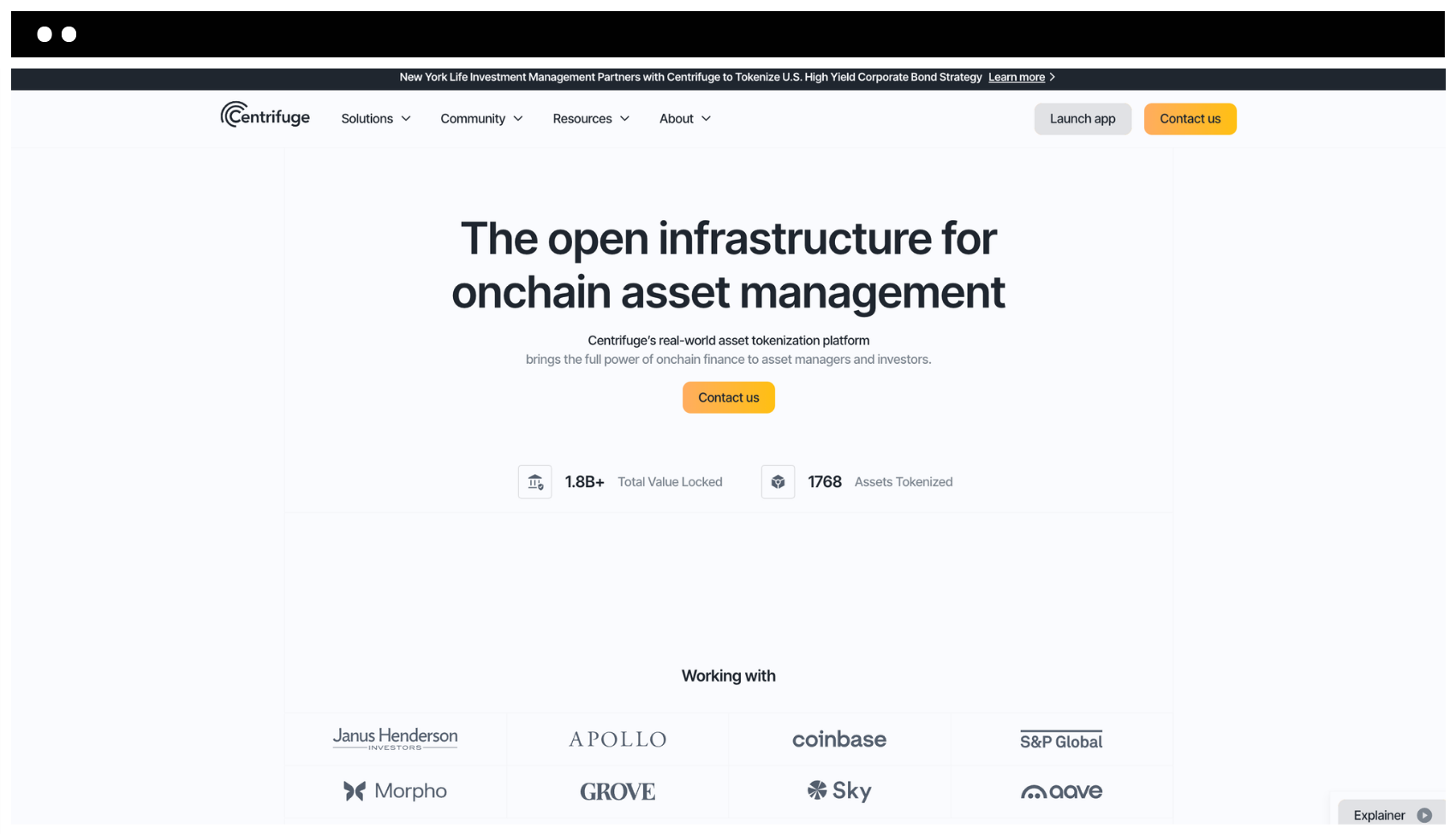
Hear me out on this one.
This company here is not based out of the US and does not hold broad US securities licenses like others in this list.
It operates out of the Cayman Islands and is founded in Switzerland.
It was co-founded by the current CEO, Bhaji Illuminati, and earlier co-founders Lucas Vogelsang and Philip Stehlik.
Nonetheless, the thing that sets this company apart is that they partner with companies like New York Life Investment Management, Coinbase, Kraken Institutional, Athena, and the Sky/Maker ecosystem.
Their core services include tokenized private credit, structured products, and modular vaults.
AUM-based fees on credit and Treasury funds are what is making this company move at the speed of light.
They are run with multi-chain vault infrastructure, which is clearly a requirement if you are going to work with companies like Coinbase. Along with hybrid settlement offerings.
If you are looking for private credit, receivables, and credit strategies that blend traditional underwriting with DeFi liquidity, this is where I would start.
4. Backed Finance / xStocks: Best for Tokenized Stocks and ETFs
If you have been keeping up with this write-up, you will recognize the name xStocks.
Although I worked at BlockApps, where we pushed tokenization and RWAs, I'll honestly say that this unique innovation, thanks to blockchain technology, really came to my attention when popular folks in crypto X (or CT) were talking about buying pre-IPO stocks.
Especially since SpaceX was next in line. Remember that I explained how I have some friends in private equity who got involved with SpaceX back in 2022, so I obviously got curious about it.
1:1 collateralized tracker tokens (xStocks) for stocks, ETFs, and related assets with public proof-of-reserves, basically RWAs, are the hot sauce of this company.
The cash cow here is not only the issuance, but it’s also the redemption and management fees, tokenized and tied to the business.
To me, it’s a solid company that keeps partnering with local, US-based companies, Broadridge being one specifically. I spoke with the latter for a gig not long ago. Undoubtedly heavy hitters in the space.
They offer free-float tokens, multi-chain support, and obviously a pretty epic high historical transfer volume, with the likes of SpaceX and others being pitched there.
From issuing tokenized equities to ETFs, this is a company to keep an eye on.
Important to note here: this is another company that's not based out of the United States.
This company is not available to US citizens or residents of the United States.
It runs without a US securities license.
Founded in 2021 in Zug, Switzerland, by Adam Levi and other co-founders.
And their issuance provider is Backed Assets (JE) Limited, a Jersey, EU company.
Not to be mistaken with New Jersey. Jersey in this case refers to a self-governing British Crown Dependency in the English Channel.
Even though I love the EU market and our readers, the compliance hurdles the continent provides are steeper than most.
“We practice what we preach here, and we encourage US users to stay compliant and pursue tokenization platforms that are ready for the US market.”
The reason that I mention xStocks primarily is because it blew up on crypto X.
This is a classic example, just like Hyperliquid with the recent perps cycle. A company that got adopted by the heaviest and savviest of American crypto users leveraging VPNs, because the product was obviously awesome.
Today, companies like Coinbase and Robinhood have taken their perpetual markets quickly onshore to the US, gaining a first-to-market advantage primarily due to their compliance efforts.
When you see crypto Twitter blasting the next hot thing, just remember that it's normal in crypto to first develop decentralized fintech solutions that bypass any regulation.
Following a train of thought that aims to build and then ask for forgiveness.
Just remember that, just like Bitcoin is decentralized on its own and it's unstoppable from a technical standpoint, there are decentralized apps dApps and DeFi tools that operate similarly.
Just have a look at how some of the tokens at xStocks actually look.
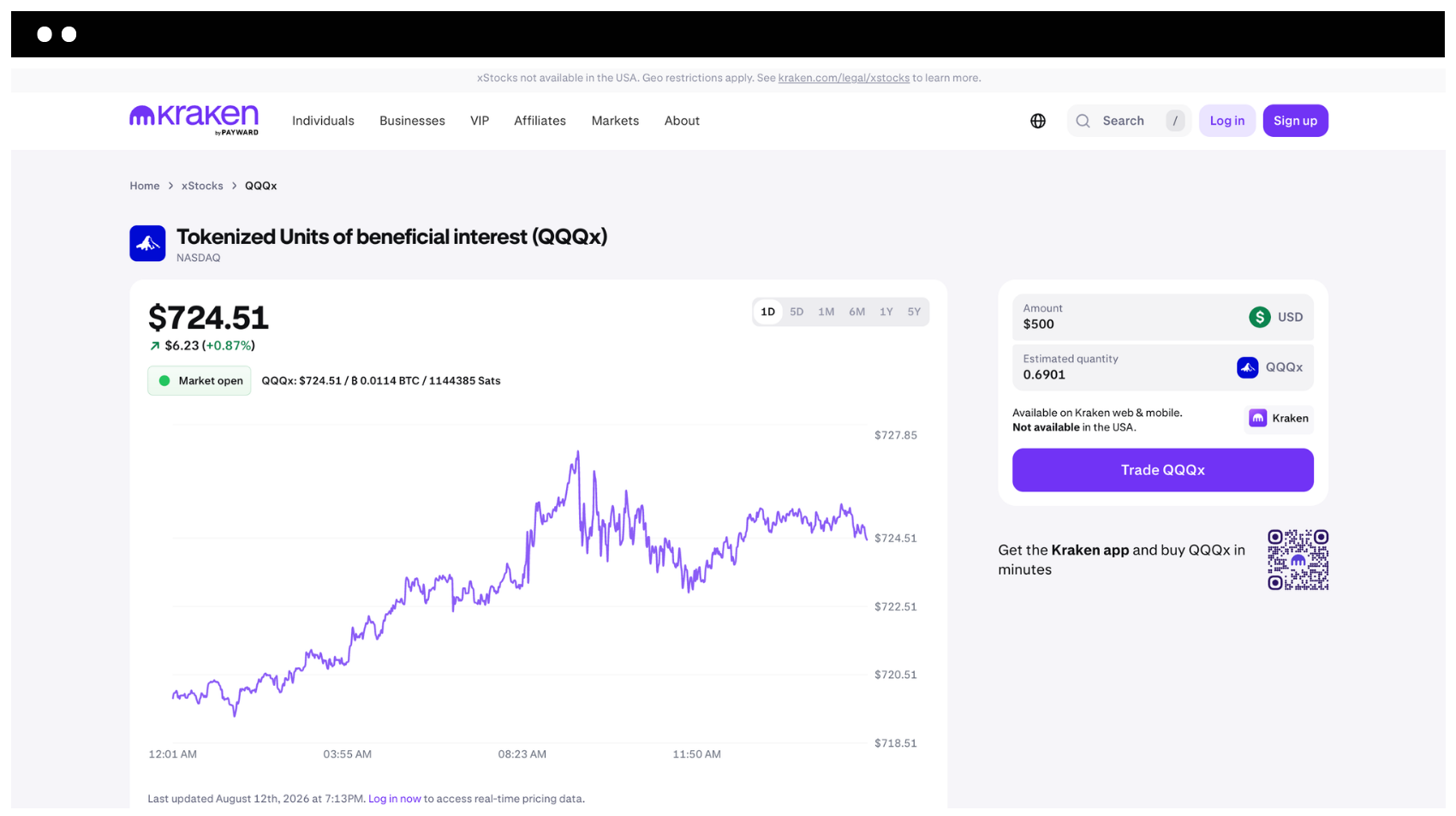
Once you see the pair itself on the screen, it becomes very self-explanatory.
Best Tokenization Platform by Asset Class
Best for Real Estate
Top pick: Securitize, but with new incumbents appearing
Securitize has handled institutional real estate-related tokenizations, which included loan interests tied to the Trump International Hotel & Resort Maldives project.
They keep tokenizing loan interests or fund interests tied to real estate, more than anything related to single-family homes. They tend to aim for very large asset managers.
Makes sense before they tap into the broader retail real estate market.
Best for Government Bonds / Treasuries
Top pick: Securitize or Ondo Finance
BlackRock BUIDL, with Securitize
Tokenized money market fund holding short-term U.S. Treasuries, cash, and repos. Fully regulated, multi-chain, daily liquidity.
Ondo OUSG & USDY, with Ondo Finance
OUSG gives institutional investors tokenized short-term U.S. Treasury products with 24/7 minting/redemption. USDY is the option for users abroad.
Only for qualified purchasers and non-U.S. investors. Backed in part by BlackRock’s BUIDL and other Treasury products, where both top picks overlap.
Best for Private Credit and Equity
Top pick: Centrifuge
Janus Henderson Anemoy AAA CLO Fund (JAAA) on Centrifuge
Tokenized AAA-rated collateralized loan obligation fund. High credit quality, multi-chain, strong DeFi utilization.
Servicing Janus Henderson (sub-advisor), Anemoy as vehicle. Large allocations from Sky/Grove and Ethena.
Apollo Diversified Credit Fund (ACRED), via Securitize
Tokenized private credit strategy across corporate direct lending and structured credit, multi-chain with daily redemptions, servicing Apollo Global Management.
Hamilton Lane Senior Credit Opportunities, KKR Health Care funds, via Securitize
Tokenized access to established private credit and growth equity strategies with lowered minimums.
Servicing Hamilton Lane and KKR, building a case study from it.
Best for Retail Investors
Top pick: Backed Finance / xStocks
xStocks by Backed Finance, now under Kraken
1:1 backed tracker tokens for U.S. stocks and ETFs.
These include TSLAx, NVDAx, AAPLx, SPYx, QQQx. Freely transferable, multi-chain, 24/5 trading, usable in DeFi, and the very best of what crypto has to offer.
Again, it’s explicitly not available to U.S. persons. But I encourage you to find a tokenization platform that matches their output here in the US.
One that is compliant and up to regulation.
What to Look For in a Tokenization Platform
There are a variety of things you have to look for, it all starts with how these platforms navigate the regulatory licenses they need.
Regulatory Licenses
Securities and Exchange Commission (SEC)
Make sure they have a transfer agent registration, broker-dealer status, ATS approval, or RIA registration.
Platforms with a full U.S. stack can issue and service actual securities.
Tokenized stocks are getting wrapped in wild ways nowadays, and you are never too sure how these assets are verified or backed 1:1, which is what most people expect.
I get it if you're new to the world of fintech, but the reality is that everyone from the government all the way to the retail sector is keeping tabs on this, and one single penalty can take your whole operation down.
Blockchain and Chain Support
I always try to suggest to my readers to be risk-averse. In this case, opting for a multi-chain platform gives you more than one way to access liquidity for your assets.
It applies to both the institutional asset issuer and the retail player.
When it comes to tokenized assets, the top player on Ethereum has way more traction than its counterparts, including Solana, Avalanche, Base, and Polygon.
Basically, every chain mentioned here is known to be cheap, fast, and to have effective settlements.
If you're looking to issue any asset, you might as well ensure that it's multi-chain. Any other vendors mentioned in this write-up can help you do so.
The more the merrier.
Custody and Asset-Backing Model
Look, let's be honest, even though it makes total sense that you know that the underlying asset is being held, it's not like you're going to be monitoring it or actually physically seeing it, or even verifying it fully on your own.
When you think of Fort Knox. It makes you wonder if the gold is really there.
Heck, even politicians do not know if the gold is there. You might wonder if they measure it by weight, or if they count each unit on a daily basis. Totally fair assumptions, to be honest.
Considering it is basically impossible to keep up with all this, especially with thousands of tokenized assets coming up on a daily basis, my favorite approach to understanding if any of these companies are valid is whether they are locally regulated, compliant, and have a record of no major issues.
Take a company I worked for, for example, BlockApps.
They currently tokenize gold and silver because they partner with a financial entity that provides the proof of reserves.
Tokenization platforms can also serve direct issuer-sponsored models, where they are tokenizing completely novel assets.
For this example, a digital asset makes total sense. As issuers, they got the green light to create anything they want.
Stock, ETF, and Treasury wrappers or tracker models that can match indexes are common for equities.
If you actually plan to put your skin in the game, meaning either work for an issuance or trade tokenized assets, it is your responsibility to confirm who the custodian is and how custody is being managed.
A remote bankruptcy structure, for instance, is something important to lay down before you take action.
This, for me, is where the lines blur in terms of custody.
One of the reasons that Bitcoin (BTC) and blockchain tech is so important and attractive is that the asset is fully digital, verifiable, and has a set, capped supply of 21 million units.
As said before, verifying a real asset, unless you're there physically, will rely on tech. It doesn't matter if the asset is being monitored by video, weights, IOT sensors, or whatever is next.
My rule of thumb here is the following.
If the tokenized asset is physical, then ensure that the issuers behind the tokenization platform are all compliant with your local jurisdictions.
Considering the US as the north star of crypto compliance, your best guess might be to opt for the issuers and managers already moving numbers here.
Token Standards
Ethereum once again took the lead here, developing the tokenization protocols that enable and support most assets on-chain.
Their underlying technology can now be seen replicated across multiple blockchains.
ERC-20
The core and basic token standard. From NFTs to RWAs and other assets.
The issue is that it does not have compliance controls.
But it does its job for basic permissionless products, not necessarily regulated securities.
ERC-1400
A protocol that's not so dominant today.
One that primarily added transfer restrictions and document linking
ERC-3643
When it comes to tokenization, this is the leading permissioned standard.
Embedding identity, eligibility checks, and transfer rules directly into the token so compliance is tied to assets at all times.
Those that follow this protocol standard will likely face fewer issues with KYC and jurisdictional restrictions on-chain.
And consequently go to market faster than with any other option.
Secondary Market and Liquidity Options
Some platforms operate their own ATS or have partnerships that allow secondary trading under regulation.
To trade, they could rely on DeFi venues or centralized exchanges in permitted jurisdictions.
To me, the issue is always liquidity-related when it comes to scarce real-world assets.
Just picture you're the first to tokenize something like copper.
The moment you do this, not all exchanges or platforms, whether decentralized or centralized, will have the liquidity available to provide smooth trading.
If you're on the issuance side, at this point there are plenty of platforms that can showcase traction, and you can rely that they will deliver a good job on your project.
If you're on the retail side, then the same applies to you.
“Metrics don't lie, so might as well stick to facts.”
Plenty of options out there nowadays. Just be careful, yet curious, as a good Web3 enthusiast would.
Do your own research (DYOR), and be responsible with your actions. Do not play with what you cannot lose.
I say this because obviously the list of tokenization platforms could be much bigger, but I simply prefer to steer away from unnecessary risk for an audience of readers who either work in the industry or are curiously smart about trying it out themselves.
KYC/AML and Investor Onboarding
As a marketer in both SAAS and crypto, I've had my fair share of products that have had issues during the KYC onboarding process.
Issues may overlap with AML flags too, or simply with the fact that I didn't know that fintech companies had a robust verification system to onboard every customer.
The amount of verification needed to be compliant in this industry is quite vast, and I can speak from experience at Cogni, a former neo-bank that now operates as a multi-chain, multi-asset (crypto, RWAs, and NFTs) self-custody crypto wallet.
Instead of you having to handle identity verification, accreditation checks, and ongoing monitoring, you might as well avoid risk and work with the people who have done it before.
The better the onboarding experience for both issuers and investors, the better you'll perform.
And yes, beyond the KYC requirements needed to onboard a new customer, just be wary that the more steps it includes, the more of a fallout you'll get.
Think about the customer first, and provide a great user experience (UX).
This is coming from a marketer's mind, of course, one that has seen how small optimization tweaks during the onboarding process can bring meaningful results in the short-to-long run.
“The rule of thumb here is to just keep it simple. Just ask the customers for the data that you actually need to be compliant, and give them what they expect, which is the product.”
And as you might have guessed, I hate giving personal info before testing a platform or seeing how its UX is.
The RWA Market in 2026: Why This Matters Now
Here at Joined Crypto, we are proud to be in an industry that works with the transparency that blockchain has to offer.
The companies and the metrics that we showcase here are backed by real data.
Leveraging block scanners is something that is unique to this industry.
It allows thought leaders in the space to tap into the underlying data that moves on chains.
To make it simple, you can basically see what everybody else is doing and therefore be confident to suggest it to your audience.
With that being said, here are some important metrics to go by:
- Tokenized RWA distributed value hit $38.4B as of mid-August 2026
- BlackRock’s BUIDL fund holds about $2.7B AUM as of August 2026
- McKinsey projects $2T by 2030. Standard Chartered sees up to $30T by 2034
Risks of Using a Tokenization Platform
Regulatory Risk
Nothing new here.
If you've kept up with this write-up, you very well understand my emphasis on ensuring that you transact with issuers, managers, or even as a retail user, with the very best, compliant, ready tokenization platforms allowed in your jurisdiction.
As someone proud to represent the United States in this Industry, I will always consider companies that are already transacting volume in the US as the north star to follow for all incumbents.
This applies to the biggest institutional managers, and even degens.
You will often see how regulators overseas simply tail the US anyway.
Although some platforms might take a while to be available here, the underlying global compliance needs are usually led by this country.
If you are reading from elsewhere. Get the benefit of the doubt, and be proactive.
You are always one call away from figuring this out, whether it is to an expert or even your favorite AI tool.
Smart Contract Risk
The more features, chains, bridges, and assets a tokenization platform offers, the more points of failure it will have.
Even having the ability to upgrade code, or the smart contract in this case, would mean that there are also things to take into account regarding the rules of the token.
These risks might not only be exposed to malicious hackers, but they can also serve as evidence that the platform itself is not being well led.
These platforms should be transparent when it comes to providing their own internal audits and provide a track record that is transparent and verified by third parties.
As a best practice, it’s best to rely on top crypto security auditors like Certik, Arkham, and others to ensure the best outcomes.
Custody and Counterparty Risk
Whether it is a Treasury, shares, or actual property, you must strive to work with companies that have a clean record both at a compliance level and through proof-of-assets.
Always vetted by top players and verifiable decentralized services.
I hate signaling risks in the space. I trust my readers are among the most educated out there. But there is always malpractice everywhere you go, so be careful.
Liquidity Risk in Niche Markets
One thing a lot of people don't tell you about liquidity risk is that it may take longer than you think to exit your position.
We are talking not just hours or days. We are talking weeks or months for settlement and exiting.
A lot of these platforms go big for one or two specific tokenized assets. And consequently start operating with trading within their own platform.
In my opinion, as a tokenized market develops and more people tokenize the same asset, you will see greater liquidity and better cross-chain bridges, along with exchanges supporting them.
Frequently Asked Questions
We broke down every question in this write-up, but if you need something quick and concise, then check out the FAQs below.
How is a tokenization platform different from a crypto exchange?
A tokenization platform is one that helps you issue a token.
It usually covers legal structuring support, smart-contract issuance, investor KYC/AML onboarding, transfer restrictions, custody coordination, and often secondary trading rails.
It's particularly useful when it comes to bringing real-world assets (RWAs) on-chain.
And as you might have guessed, they're very good at creating digital assets as well.
What is the difference between a tokenization platform and a tokenization protocol?
A tokenization platform that allows you to issue a token and manage it, preparing it all the way to the trading stage. Assisting you also with the most intricate part of the entire process: passing any legislative hurdles.
On the other hand, a tokenization protocol serves as the underlying infrastructure, the technical aspect or code per se, that allows the asset to go on-chain.
Which regulatory licenses should I look for in a tokenization platform?
Considering we are a US-based media site, note that we're going to just refer to regulatory licenses that apply to this country.
You will always have to face regulators and the SEC if you want to operate here.
Otherwise, for those interested in how tokenization works beyond the US, you can still refer to the companies mentioned in this post.
All of these can easily be the best companies in the world.
What token standards do the best tokenization platforms use?
ERC-20, ERC-3643, or ERC-1400, are some of the most common standards in the market.
With many more developing on top of each other, or tackling newer problems, of course.
How much does it cost to use a tokenization platform?
It really depends.
Expect setup or onboarding fees, recurring management fees, and often success fees on the capital raised. The platform captures low-to-mid single-digit percentages on the raise too.
Basically, it depends on your to-do list.
The longer it is, the more fees you will accrue.
What are the main risks of using a tokenization platform?
To me, three risks stand out.
There could be compliance issues, technical or smart contract bugs, or issues with liquidity for that particular market.
The latter is also a significant problem if you need to liquidate a token quickly.
As mentioned before, if the liquidity is low for a particular asset, expect settlement delays that go beyond days or even months.
Can retail investors use tokenization platforms?
The short answer is yes.
Many platforms have opened the door for retail investors after successfully supporting institutional counterparts.
How long does it take to tokenize an asset on a platform?
It obviously depends on the platform, but it is safe to say that this can easily take beyond a few weeks.
If the asset has already been tokenized and you're just representing yourself as another asset manager, then there are obviously shortcuts that could benefit your go-to-market strategy.
Do I need a secondary market built into the platform?
I'd hope so.
This is where the issue of liquidity comes in. Without secondary markets trading the tokenized asset at hand, you will see a negative return on investment.
Not only did you just spend money to issue this asset on a platform. Without liquidity, you will realize that order books will also carve out from your initial investment.
It does not matter if you are an Institutional or retail investor. Not being able to trade an asset is always a zero-sum-game.
Should I choose a full-service platform or a pure technology provider?
Coming from someone careful when it comes to compliance, I highly recommend you stick to the experts mentioned in this write-up.
They know how to navigate the landscape better than anybody else, and there's no point in reinventing the wheel.
Conclusion
As the good folks in crypto X would say, the “world will be tokenized”.
For years we have read about a variety of assets getting tokenized, from real estate to pre-IPO stocks, to even 5-figure Pokemon cards and NFTs. The world of tokenization is just getting started.
As an internal joke, you will often hear your favorite uncle talk about real estate. You know, or the dude who hasn't tried anything in terms of testing the capital markets or investing.
Real estate will always be a necessary asset for everyone. It’s what most people stick to, but it doesn't mean that other assets are not equally as necessary and beneficial to trade.
Picture commodities, for instance.
For some people, an asset can mean a variety of things. If you are tapped into the crypto art world, you will know that there is a very interesting conversation on digital collectibles.
On one side, you hear folks who are collecting items like Pokémon or sports cards say that their assets are real, hence the name real-world assets.
And make no mistake, their assets are in fact real.
The funny thing here is the conversation about issuance and provenance.
How do they know that the asset that they're buying is actually real, meaning it comes from the main manufacturer, which is basically the issuer in this case?
On the other hand, you have Web3 natives that also trade collectibles in the form of NFTs. And unless you're unaware, you know that it is extremely easy to verify issuance and provenance of digital assets on a chain.
We wrote about some of the best NFT wallets if you are interested in trying this out. Again, be risk-averse with everything that you try in crypto, and do your own research (DYOR).
To make it even funnier, the rise of TokenWorks’ recent product, Fake World Assets, has grabbed the attention of many, including myself.
The name itself is hilarious, and as you might have assumed, there are no “real” assets in there.
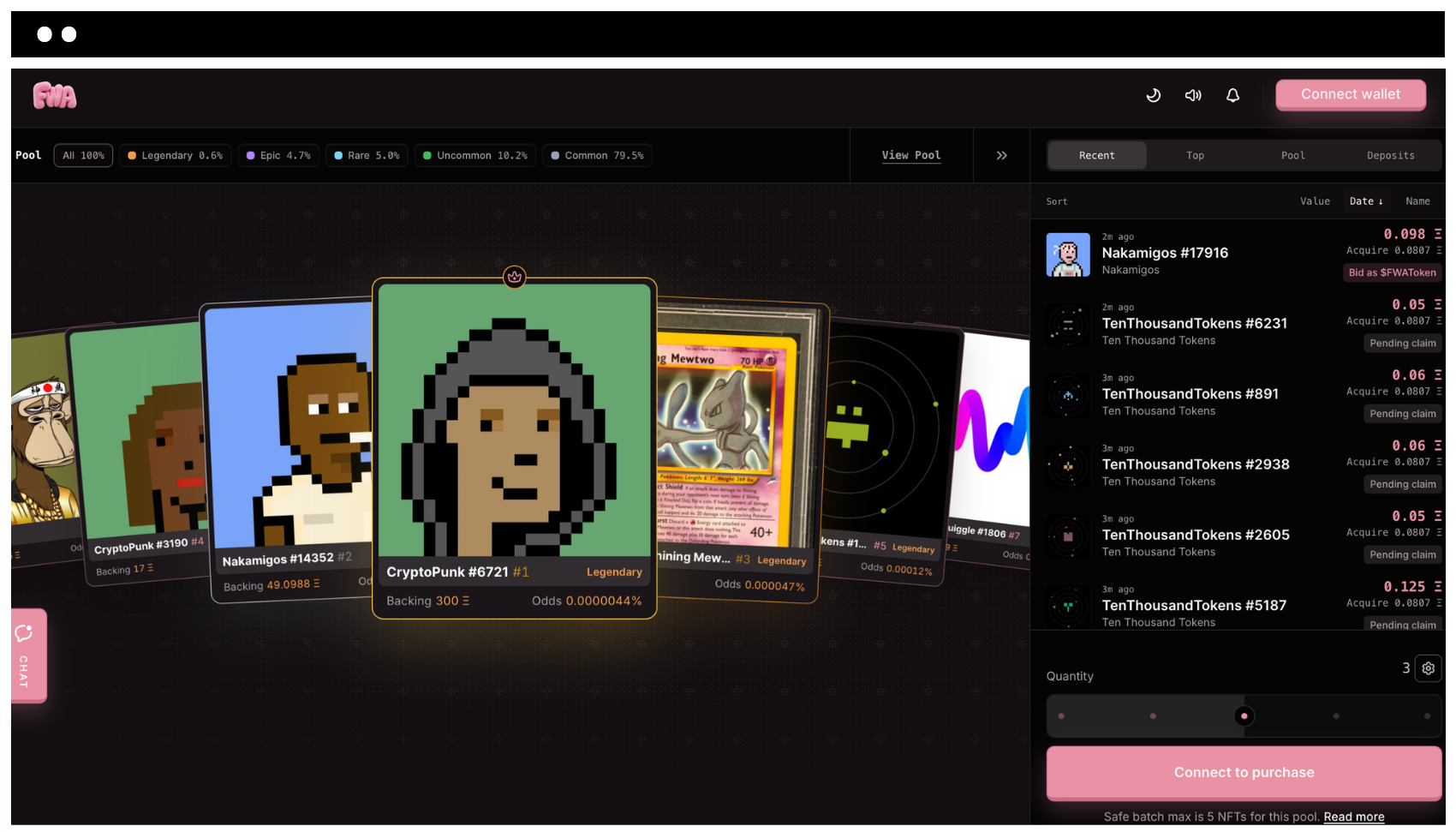
It’s just a bunch of NFTs and cryptocurrency that you can win when you buy a particular token.
Nothing to really care much about here, to be honest, but pay attention to how the discourse between real and fake is brewing, which signals that people are actually arguing about what is a real or fake asset.
Why would I even bother saying so after breaking down so many technicalities in this space?
Because it’s insights that only a crypto OG can see.
There is a precedent here. Folks called the entire blockchain industry fake, making fake money and fake transactions.
Those behind the tech, including me, could not believe it.
We noticed how quickly people assumed the worst without ever trying blockchain technology or crypto.
Therefore, this whole discourse that RWAs are real and NFTs are fake is quite amusing for those in crypto.
And I think the folks who rep RWAs that make no physical utility are about to find out why.
Provenance, custody, and 24/7 global trading are some of the evident benefits.
Tokenization is way bigger than just issuing and verifying real-world assets (RWAs). It also overlaps with digital assets, which, in my opinion, will be seen just as valuable as their other half.
The lesson here is that once institutions and retail start analyzing the pros and cons of each, their debate will vanish, and both will be understood as just assets, not tokenized assets.
Crypto and blockchain are slowly capturing every asset in sight and optimizing the way financial systems work.
Just look around at the things that you consume, or perceive that they hold value, and believe me when I say that those things will be tokenized too.
Disclaimer: Some links in this post are affiliate links. When you click through and make a trade or sign up, we may earn a small commission at no extra cost to you. We only recommend platforms and tools we actually use and believe will help you navigate the crypto markets more effectively. This helps us pay the bills and keep delivering the alpha and market insights you rely on. Thanks for supporting Joined Crypto!







.png)