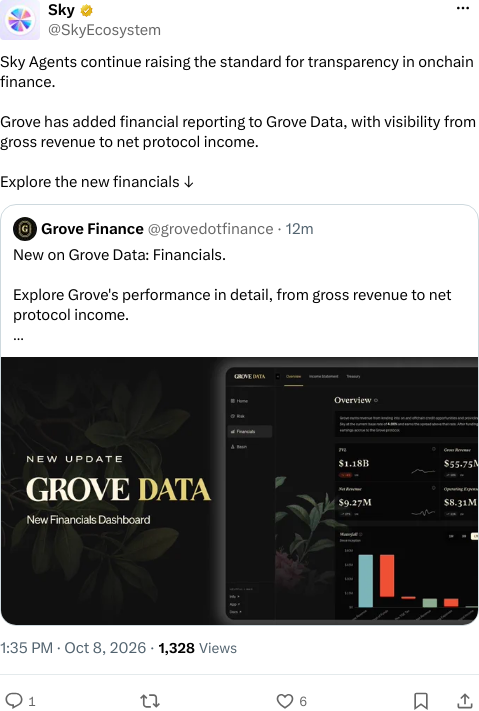
Crypto adoption is making a global comeback, and in the United States, it has been particularly pronounced during the recent bull run.
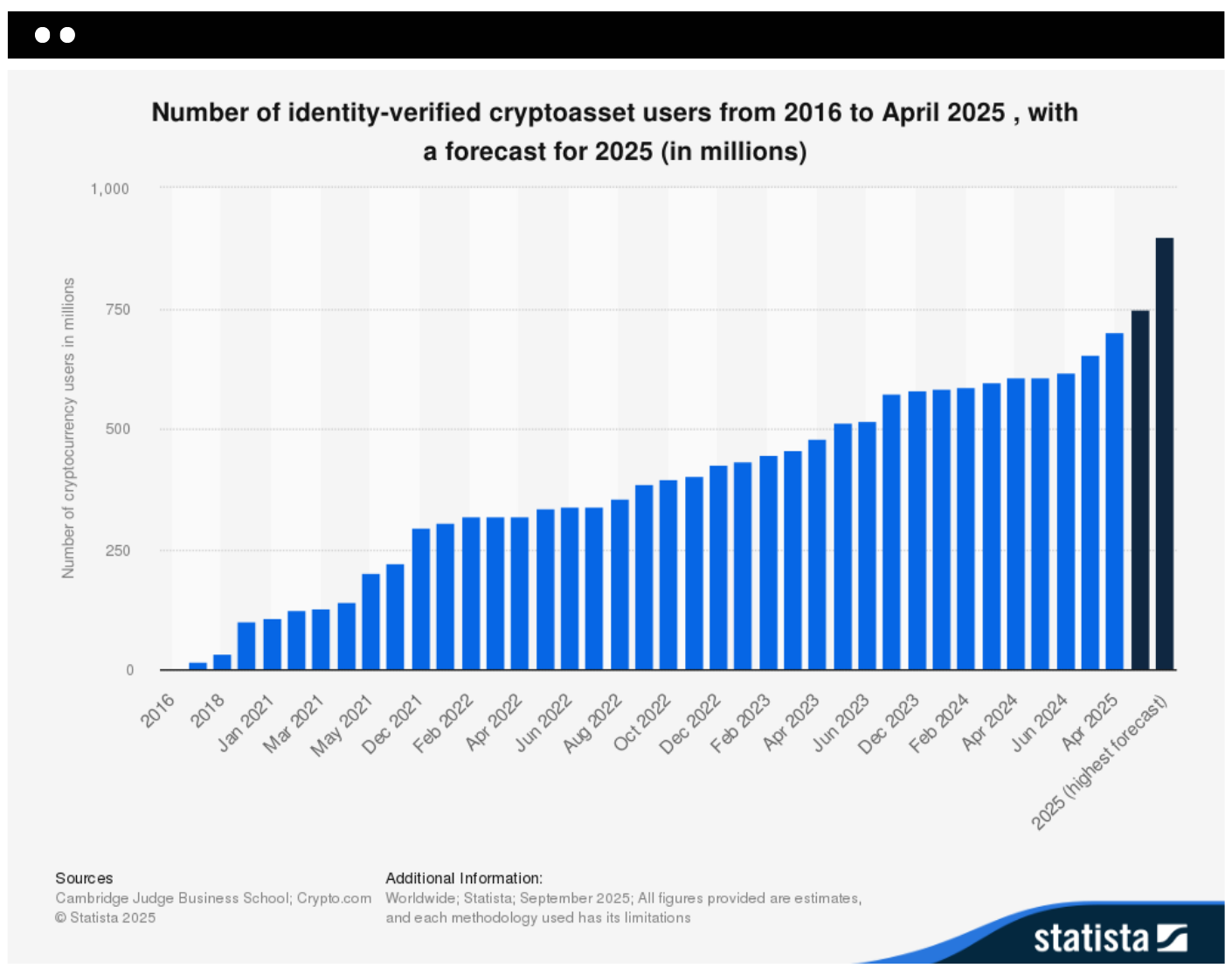
The traditional financial system is set to change thanks to the increased consumer interest and the performance boosts that blockchain technology has accomplished in recent years.
Aside from new capital brought into the crypto markets, actual crypto businesses with real utility are starting to flourish.
A clear sign that the market has once again grown, similar to previous bull cycles. Cool new products typically bring tons of hype, enough to really set a new trend.
"Several crypto friendly banks have started to emerge in the United States to serve an ever-growing number of newcomers."
Banks call this demographic the “crypto curious".

From college students to Mom and Pop.
Essentially, anyone who has at least a bit of interest in both crypto and blockchain technology, along with Bitcoin, altcoins, and more.
But has yet to enter the space, or has slightly done so.
Welcoming the era of crypto banking services
Banks entering this space aim to ensure a proper onboarding from fiat currency, plain old “cash”, into more efficient, accurate, and proven crypto infrastructure.
"We believe that for most banks, the main objective is to offer an exchange service, all tied to a traditional debit or savings account, with traditional in person banking services."
An exchange would allow you to buy and sell crypto, turn it into cash, and vice versa. It’s what most people want.
I was fortunate enough to work for a crypto bank and see this demand firsthand.
This early experience allowed me to understand the challenges that the crypto banking industry faces today.
Working For One of the first crypto friendly banks
I had the chance to work for a neobank in NYC chasing this exact mission, to offer crypto-friendly banking services.
We partnered with a traditional bank and offered the ops, roadmap, product, marketing, etc.
What a traditional neobank would do.
Everything seemed in place, we had crypto firms focused on market research that validated the demand for this.
“Our customers were begging us to be able to buy crypto straight from their bank accounts.”
We had everything in place aside from common startup glitches, but the story went sour mainly due to bad timing.
Compliance nightmares for crypto businesses, and the current outlook
Aside from classic issues in terms of adoption and market fit, the main issue was having the right compliance to enable crypto exchanges, along with a traditional bank account.
From compliance hurdles, to audits, to roadblocks, to advertising, and so on…
The list of external challenges this company faced was something I’ve never seen.
“Even though the startup had to pivot, and I stepped out of the project after 2 years. The future does seem much brighter now from a compliance standpoint.”
At the time, many American crypto companies and their founders were under scrutiny. Some were even debanked completely in the United States, meaning that they could not have a typical banking account like everyone else.
This was not the case for us, but you could sense the tension in the industry at the time.
Now, the future looks better than ever for crypto.
The current administration, led by folks like David Sacks, the AI and crypto czar of the United States, has given the green light to small and large banks to enter this space.
With support coming straight from the White House, it is no surprise that some of the biggest names in banking are gearing up to enter the space.
From crypto bank to web3 wallet
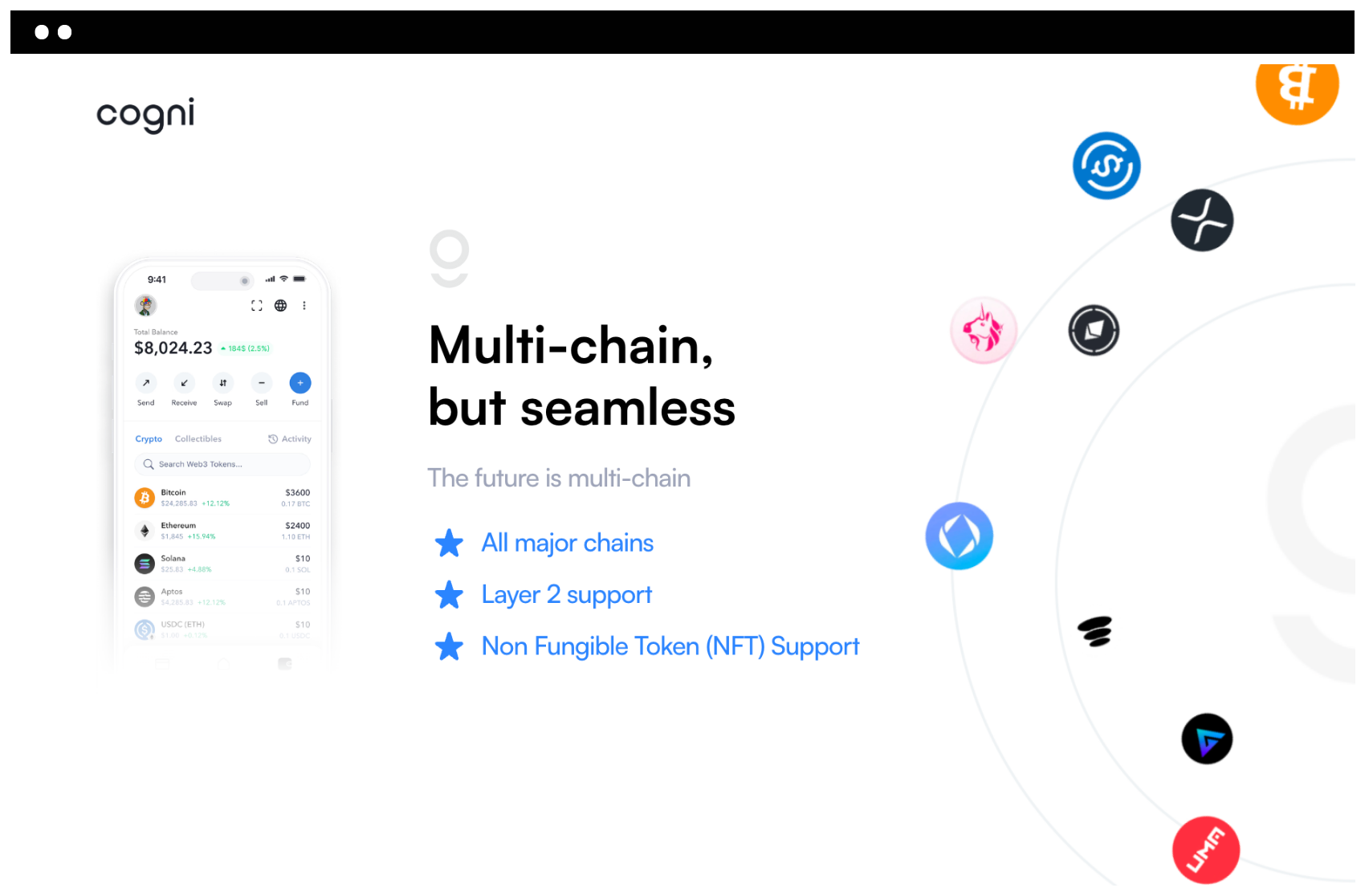
The company decided to discontinue its online banking services in late 2024.
The project is called Cogni, and today it stands as a pretty cool multi-chain crypto wallet for most digital assets.
My favorite part of the Cogni wallet is the number of chains and crypto assets it supports: Bitcoin (BTC), Ethereum (ETH), Binance Coin (BNB), Polygon (MATIC), Avalanche (AVAX), Ripple (XRP), Aptos (APTO), Tether (USDT), Circle (USDC).
My takeaway
The experience was sweet and sour to say the least. Now, even more so, with so many banks jumping into crypto.
My greatest takeaway, aside from gaining a better understanding of the market, was meeting a great set of colleagues, now friends, who continue to impress in the banking and fintech world.
Some of them are currently working for some of the banks listed later on this article.
What crypto friendly banks offer and their service stack
With compliance being less of an issue, there is a list of interesting crypto friendly banks in the USA worth considering.
Take a look at some of the key features we consider important.
1. Deposits
The first step towards doing anything in traditional finance is to complete your first cash deposit with fiat currency, traditional money as we know it.
Once you transfer funds into your banking account, a whole new financial world opens up.
2. On and Off Ramp
Allowing users to go from fiat to cryptocurrency, and back from cryptocurrency to fiat.
In our opinion, this is by far the most important crypto service.
Without it, you cannot swap from cash to crypto.
3. Exchange capabilities
Allowing users to buy and sell many cryptocurrencies with fiat currencies.
Enabling direct crypto trading services to complete crypto investments.
4. ATMs
Here at Joined Crypto, we believe that providing access to an ATM is still an important service to onboard newcomers.
At the end of the day, purchasing day-to-day items with a crypto card is still seen as a novelty. At least for those new to crypto.
Although it is catching up fast.
Note the post below to see how things go down outside the United States.
5. Decentralized (self crypto custody) Wallet
The bonus here is that you, the owner of the wallet, are given a secret phrase to access the wallet on your own.
Once you transfer assets to this wallet, no one can access them without the phrase, not even the bank!
"You are your own bank."
Aside from a debit card, this is a great vehicle to complete crypto related transactions, and crypto related transfers.
6. Staking capabilities
Allowing users to gain yield, a variant of interest yield in crypto lingo.
7. Web 3 Browser
Giving you access to all the dApps (decentralized applications) to try out the coolest things being built in the space. Simply put, these are crypto apps that operate on-chain.
A web3 browser also opens the door for NFT marketplaces and decentralized finance (DeFi) tools that will allow you to exchange crypto, access yield opportunities, and more.
Including access to some of the popular decentralized exchanges (DEXs) on Solana to trade recently launched tokens, like memecoins.
At this pace, banks are even catching up to some of the best NFT wallets.
5 Best Crypto Friendly Banks in the United States
When we searched for "crypto friendly banks", we were a bit disappointed, to be honest.
We found numerous banks that operated for either the public or the private sector, with incredibly dispersed global locations, with very few pointing out real, working, crypto banking services in the United States specifically.
Today, the options are scarce, but we hope this list will help you find the right crypto friendly bank for you.
Before we start, note that some of these companies have partnered with banks or offer services similar to a neobank.
Further liscenses are being pursued by these companies, but they more or less provide identical services to that of your traditional bank.
Important criteria considered on this list include the availability of:
- Checking account with a physical and digital debit card
- Exchange capabilities: buy and sell one or many cryptocurrencies
- The chains they support: the number of tokens or blockchains they offer
- On and off-ramp services: allows you to swap from crypto, back into cash, and the other way around
- ATMs
To narrow down our criteria, we are focusing on retail banks that offer what is considered a standard debit or credit card and offer ATMs.
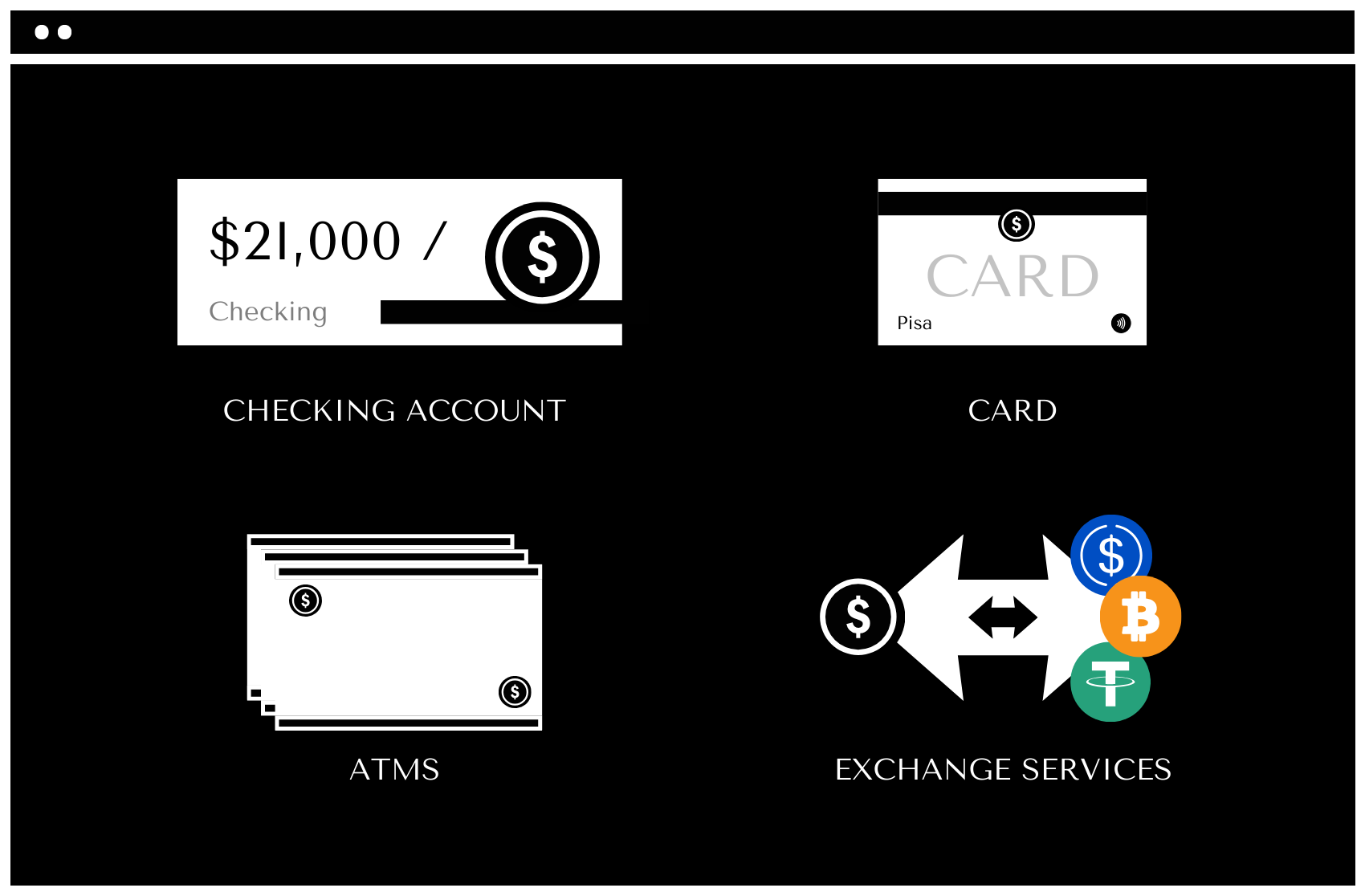
For the most part, these banks offer crypto cards with no annoying monthly maintenance fees.
We will focus on most crypto friendly banks that serve the traditional institutional clients side in another piece, there are simply too many options for a single post. These are those that allow you to create crypto business accounts and access business tools in the same account.
In this article, we will only focus on consumer crypto banking accounts in the United States.
Let’s get started with the best options for retail customers. The list includes:
1. Coinbase
Without a doubt, the most complete crypto friendly bank experience available is offered by Coinbase, the largest exchange in the United States.
Aside from their world-class exchange, they offer a Coinbase Card Visa debit card, and a Coinbase One credit card that works with most merchants.
The best part is that you get to earn unlimited crypto rewards on every purchase.
Let’s compare both:
Coinbase Card
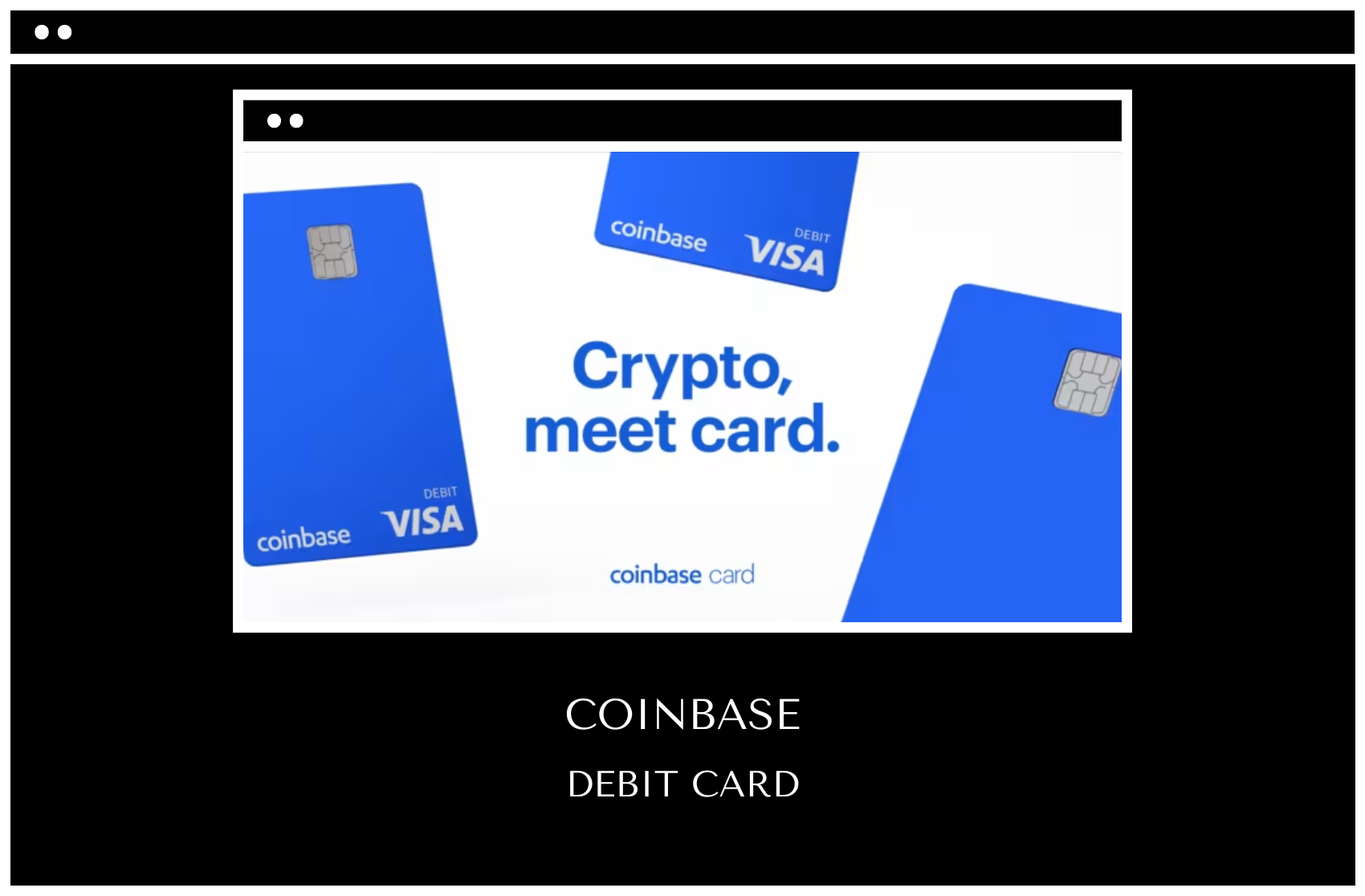
- Cost: Free
- Transaction Fees: Zero spending, annual, or monthly fees
- Crypto Fees: It incurs a 2.49% transaction fee when buying crypto, unless the user opts for USDC rather than another cryptocurrency
- Rewards: They offer rotating rewards, which means that they vary in terms of the cryptocurrencies offered
- ATMs: Yes
Coinbase One Card
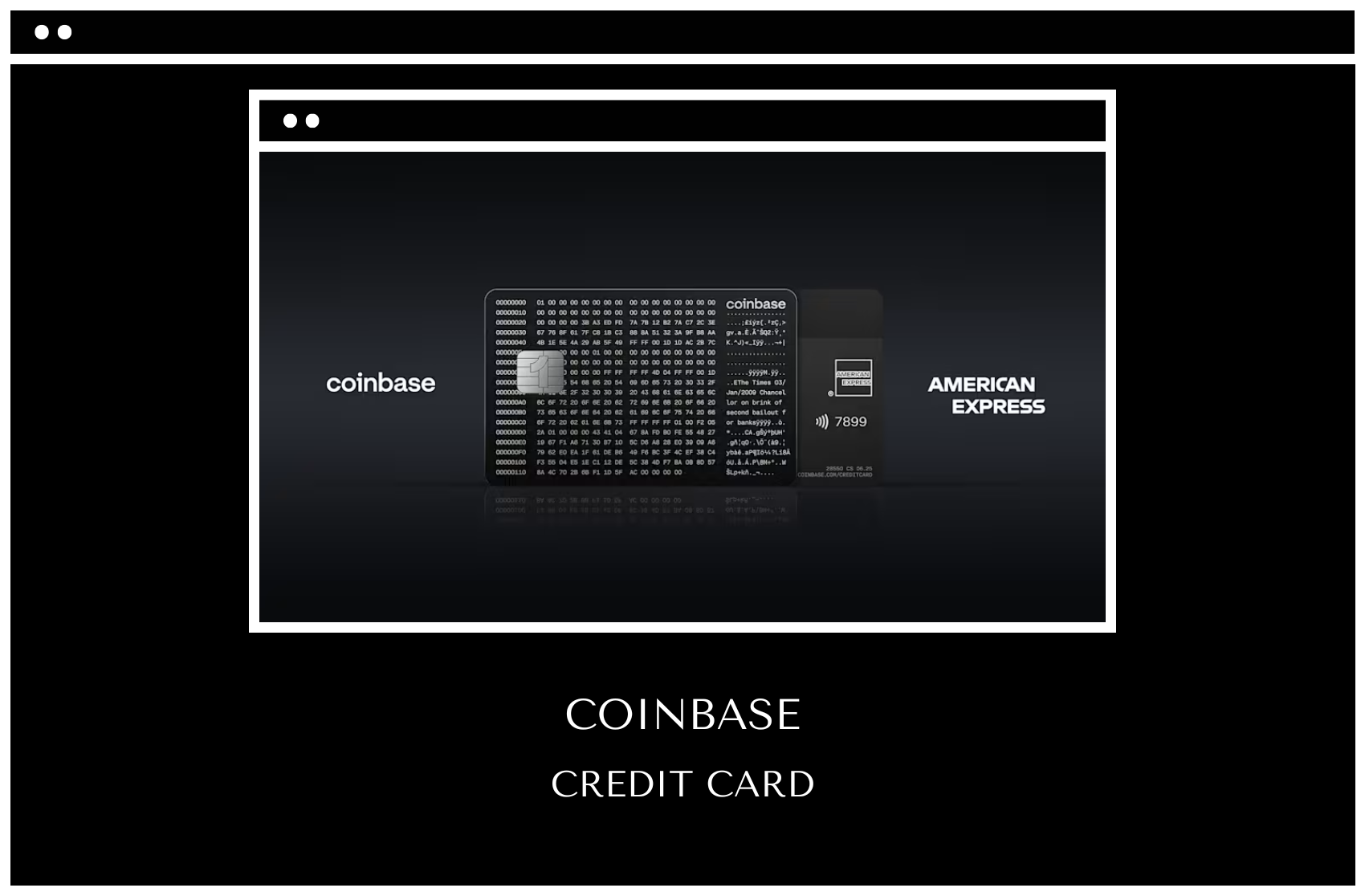
- Cost: $49.99 per year
- Transaction Fees: Zero annual fees
- Transaction Rewards: It offers up to 4% back on Bitcoin
- Trading Fee Rewards: $0 trading fees on your first $500/mo, with a spread applied
- Stablecoin Rewards: 4.25% on first $10k, then 3.85%
- Staking Rewards: 5% ETH, SOL, and more
- Base Chain Rewards: $10/mo on Base credits
For some, these might be typical banking rewards with a slight edge on crypto benefits. Although, a lot of credit must be given to Coinbase for pulling this off.
They hit all the checkmarks in our criteria, offering all the services we consider necessary to onboard the next generation of crypto users.
2. SoFi
Not only do we pick SoFi as one of our top picks because our good friends are there, but also because they are working on a fantastic service stack to onboard millions.
Their already world-class desktop and mobile apps is paired with buy, sell, and hold crypto capabilities. Expect them to charge a fee of around 1% on crypto transactions.
Bitcoin, Ethereum, Solana are among the 25+ cryptocurrencies supported.
All paired with easy-to-learn guides for beginners to manage crypto along with your traditional banking services.
SoFi will be allowing users to get loans against their crypto, stake crypto for yield opportunities, and even launch its own stablecoin.
The waitlist is over, and their services are now live for current and prospective customers.
3. Crypto.com
Similar to Coinbase, Crypto.com also offers great options with their Debit card, and their Credit card.
Crypto.com Debit Card
Not only is Crypto.com are renown exchange, they also have been offering a debit card to pair their trading platform for quite a while.
The debit card can easily be topped off with USD as you deposit into the exchange, or a direct fiat deposit from another bank.
But the coolest part of it all is that you can fund the debit card with any of the cryptocurrencies in your portafolio. Easily swapping from crypto to USD so your payments can work smoothly.
They have partnered with a local bank in the United States to offer an FDIC insured account, and their free, basic account sports a 1.5% APY (paid in $CRO), going higher as you upgrade.
Crypto.com Credit Card
Similar to their debit card, the credit card can be paid with the balance on your account.
Meaning that your crypto can be used to pay it off in just a few clicks.
As of now, they offer a sign up bonus, and zero fees.
- Cost: Free, with higher paid tiers
- Transaction Fees: n/a
- Rewards:
- $100 new user sign up bonus, if you spend $1,500 in the first 90 days of account opening
- 1.5%+ rewards
- ATMs: Yes
4. Cash App
The main reason Cash App is added to the list is that it currently offers customers the chance to purchase Bitcoin, operating as a neobank of its own.
- Cost: Free
- Transaction Fees: Zero spending or annual fees
- Crypto Fees: It incurs a 1.75%-2.5% transaction fee when buying and selling Bitcoin
- Cash App Boost Rewards: Rotating discounts at merchants like DoorDash, Chipotle, Walmart, and more, ranging between 5%-15%
- ATMs: Yes, $2.50 per withdrawal, plus operator fees
The fact that cash app has exchange, rewards, and payments enabled with Bitcoin and stablecoins signals that they might be offering more crypto services in the future.
We have also noticed that Bitcoin tends to be the first cryptocurrency a newcomer opts for.
Since CashApp is now a fairly renown name, shipping great products, it was a no brainer to give them a shoutout.
5. WisdomTree Prime
A new name for some, with a longer legacy than most think. It's not your typical crypto startup, they have been around since 1985, serving financial institutions.
Coming from a strong institutional investment background, WisdomTree Prime can be considered a crypto friendly bank to some extent.
Their multi-chain digital wallet app is paired with both virtual and physical debit cards, allowing you to spend your digital assets just like you would with a typical card, with no transaction fees.
We spoke to the team, and they seem to be on track. If some product hiccups are taken care of, then we can expect this great product to hit the masses.
Even though we have not tested this product yet, we spoke to the team to ensure the roadmap is being fulfilled.
It's totally worth considering.
You can sign up and download their app today to check it out.
Other Crypto Bank Accounts Worth Mentioning
The reality is that banks are having a hard time navigating the regulatory compliance landscape to build functional exchanges paired with classic checking accounts, debit cards, ATMs, and so on.
Although Ally Bank did not meet our criteria to be included on the list, it is worth mentioning that they offer an investment account called Ally Invest, which allows customers to invest in a variety of crypto-related crypto ETFs.
Quontic, another bank operating in the US, offered an interesting Bitcoin Rewards Checking account that gives you back Bitcoin upon spending.
JP Morgan Chase, the biggest bank in the world, along with several other top-tier banks, is looking to enter the space in 2026.
Juno recently closed their banking arm. They used to fit our criteria perfectly, offering crypto exchange capabilities with a neobank branch. A company that got a bit further than Cogni, yet suffered the same fate. Surfacing again, how challenging it is to penetrate this market in the USA.
Mercury is another bank worth mentioning. Today, they offer multi-user access for their business checking suite, card issuance, and a great dashboard to monitor spending and inflows. Considering that they already offer crypto services for institutional clients, one may assume that their personal banking services will also be paired with crypto offerings.
At the time of this writing, most are still exploring the USA market and the products to offer.
The reality is that there are tons of options worldwide, outside of the USA.
Crypto Banking Services and Compliance
Being able to pay for day-to-day things with crypto seemed like a utopian thing, and now it's a reality.
“Imagine buying a collectible NFT, selling it for a profit, then making some more trading alts or memecoins, then swapping it all for stablecoins to finally buy breakfast and groceries by tapping your crypto card, thanks to your crypto friendly bank.”
The work that these fintech companies and regulated crypto exchanges are doing to make this a reality is quite compelling, especially when you consider the torturous legislation challenges to pass compliance.
"The United States is collaborating with these companies to ensure there are proper consumer protection standards, which is a must."
Traditional institutions also want a piece of the market.
Legislation and compliance clarity remain the biggest hurdle.
A lot of risk management is at play.
A lot of guessing from traditional banking org charts that do not have much exposure to crypto. For the latter, we recommend touching base with some of the best crypto marketing agencies in NYC.
Why Crypto Friendly Banks Matter
Crypto enables global payments via cryptocurrency transactions that bypass regulatory oversight by design, hence the delay for governments to open the doors for open international transactions.
This would be a game-changing feature for global businesses. Enabling international payments opens the door for a truly global economy.
Many traditional banks are working tirelessly to bring these new, amazing financial products to the masses.
"Ideally, we would want to see all of our crypto accounts work under FDIC insured banks (up to $250,000). That way we can sleep well, ensuring our funds are fully insured."
Financial regulations for these digital currencies, crypto platforms, and what we now call "digital money" are being set at a global scale, not just in the United States.
Everyone wants a piece of the crypto market, and crypto friendly banks are a key part of the puzzle.
We celebrate Coinbase once again for their latest work, deservedly being our first pick.
Users and crypto companies are spawning left and right. The rise of tokenized real world assets is also adding a massive influx of new investment opportunities and tokens.
In some cases, projects face challenges and communities step in to take over, a common occurance with memecoins. And now you will be able to pay for rent and goods with very same tokens. Imagine paying for groceries, or your mortage with Dogecoin.
First, adoption is slow, then it spreads all at once.
The question is, who will be the bank that champions this category? Or will major crypto exchanges take the reins of the banking world moving forward?
Crypto banking is now a thing, and the companies mentioned here are all pushing to build the future of crypto banking services.
The answers are still on the works.
Disclaimer: Some links in this post are affiliate links. When you click through and make a trade or sign up, we may earn a small commission at no extra cost to you. We only recommend platforms and tools we actually use and believe will help you navigate the crypto markets more effectively. This helps us pay the bills, and keep delivering the alpha and market insights you rely on. Thanks for supporting Joined Crypto!










.png)